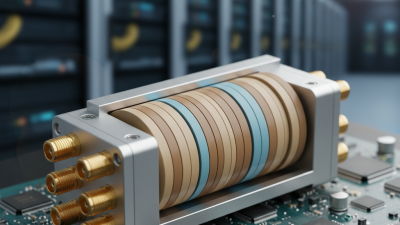
Global connectivity is expanding, but radio-frequency performance still depends on small, easily overlooked components. Dielectric Filters help separate adjacent signals, reduce interference, and protect sensitive receiver paths in base stations, satellite terminals, microwave links, and private networks. Their value becomes clearer as spectrum grows more crowded.
The GSMA Mobile Economy 2024 report estimates that mobile technologies and services generated $5.7 trillion in economic value during 2023. It projects this figure will reach $6.5 trillion by 2030. Ericsson’s Mobility Report, published in November 2024, forecasts approximately 6.3 billion 5G subscriptions by 2029. These figures suggest stronger demand for stable, high-volume RF infrastructure. They also raise a sourcing question: can a supplier deliver consistent insertion loss, rejection, temperature stability, and documentation across regions?
The choice is rarely clean.
A global sourcing review should connect electrical specifications with manufacturing evidence. Buyers should examine frequency tolerance, return loss, power handling, cavity design, plating quality, and environmental test results. Practical checks matter. A filter may meet a laboratory curve yet drift after vibration, humidity, or repeated thermal cycling. Supplier audits, ISO 9001 certification, lot traceability, calibration records, and sample-to-production comparisons can reduce that risk. Standards from bodies such as IEC and 3GPP provide useful reference points, but they do not replace application-specific validation. Published market numbers can age quickly, and supplier claims can sound polished. Independent testing remains necessary. This guide explains how to compare Dielectric Filters by performance, quality assurance, logistics resilience, and total ownership cost.
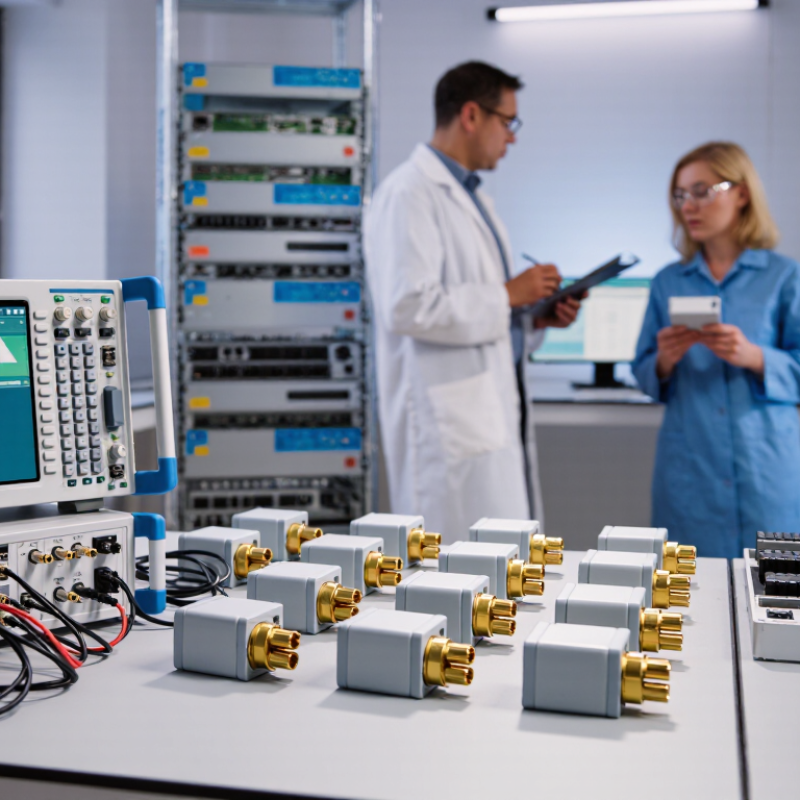
Dielectric filters use ceramic resonators to select radio frequencies and suppress unwanted signals. Their compact size suits wireless modules, base stations, navigation equipment, and test systems. When sourcing globally, buyers should understand more than the center frequency. Insertion loss, rejection, bandwidth, power handling, and temperature stability directly affect field performance. A filter may look excellent on paper, yet fail after repeated temperature changes.
A practical sourcing review starts with a clear technical specification. Include frequency range, impedance, connector style, package dimensions, operating temperature, and acceptable tolerance. Ask for measured test data, not only catalog values. Check how each supplier controls ceramic material, tuning, inspection, and lot consistency. Samples should pass electrical tests and mechanical checks before any large order. A spreadsheet can hide risk. One overlooked tolerance may create expensive redesign work.
Tips: Compare at least three qualified sources. Request sample units from different production lots. Test them at normal and extreme temperatures. Confirm packaging protects fragile connectors during long-distance transport. Review quality records and response times, too. Fast communication matters. Some sourcing decisions still involve judgment, especially when test data is incomplete. That uncertainty should be documented, not quietly ignored.
| Filter Configuration | Typical Frequency Range | Typical Insertion Loss | Typical Rejection | Common Power Handling | Typical Applications | Key Sourcing Requirements |
|---|---|---|---|---|---|---|
| Band-Pass Filter | Typically 300 MHz to 6 GHz; higher ranges are available with specialized designs | Approximately 1.0–3.0 dB, depending on bandwidth and resonator count | Typically 30–60 dB at specified offset frequencies | Approximately 1–100 W, depending on package, cooling, and frequency | Wireless infrastructure, repeaters, radio modules, navigation equipment, and test systems | Confirm center frequency, bandwidth, ripple, rejection mask, connector type, and tuning tolerance |
| Low-Pass Filter | Typically below 6 GHz for compact ceramic components | Approximately 0.5–2.0 dB within the passband | Typically 20–50 dB above the cutoff region | Approximately 1–50 W for compact RF assemblies | Harmonic suppression, transmitter outputs, signal-conditioning modules, and measurement equipment | Specify cutoff frequency, stopband start, harmonic limits, impedance, and maximum RF power |
| High-Pass Filter | Typically 300 MHz to 6 GHz | Approximately 0.7–2.5 dB within the passband | Typically 20–50 dB below the cutoff region | Approximately 1–50 W, subject to thermal design | Low-frequency interference removal, receiver front ends, broadband communication systems, and RF test fixtures | Check lower stopband attenuation, group delay, impedance matching, and enclosure dimensions |
| Notch / Band-Stop Filter | Designed around a specific interference frequency, commonly from 400 MHz to 6 GHz | Usually below 2.5 dB outside the rejection notch | Approximately 25–70 dB at the notch frequency | Approximately 1–50 W, depending on notch depth and thermal construction | Interference mitigation, coexistence systems, receiver protection, and spectrum-monitoring equipment | Define notch frequency, notch width, adjacent-band loss, power level, and frequency stability |
| Diplexer / Duplexer | Commonly covers two separated bands from approximately 700 MHz to 6 GHz | Approximately 1.0–3.5 dB per path | Typically 35–60 dB isolation between paths | Approximately 5–100 W, depending on port configuration and cooling | Multi-band base stations, shared antennas, distributed radio systems, and wireless access equipment | Verify both passbands, port isolation, return loss, intermodulation performance, and mechanical interfaces |
| Multilayer Chip Filter | Typically 700 MHz to 6 GHz in surface-mount applications | Approximately 1.0–3.0 dB | Typically 20–40 dB, depending on size and design complexity | Commonly 0.5–10 W | Compact wireless devices, IoT equipment, automotive electronics, and embedded RF modules | Confirm footprint, solder profile, PCB material, impedance, packaging, and automated-placement compatibility |
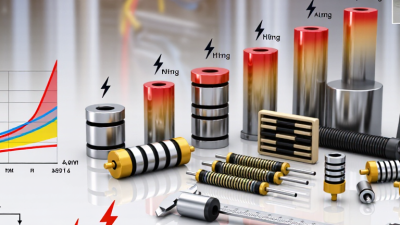
Choosing dielectric filters for global sourcing starts with a precise performance definition. A vague request for “high selectivity” creates uneven quotations and costly redesigns. State the operating frequency, passband, stopband, insertion loss, return loss, impedance, and power level. Include temperature limits and acceptable drift. These values should match the real device environment, not only laboratory conditions. For example, a receiver exposed to outdoor heat may need tighter frequency stability than a test sample suggests. Define connector type, package dimensions, mounting direction, and surface finish. Small mechanical differences can delay integration.
Ask suppliers to provide test methods and tolerance limits with every specification. Results are more useful when measured across temperature, voltage, and production batches. Request sample data, calibration details, and inspection records. Experience shows that a filter meeting nominal loss may still fail system-level rejection. This is where engineering judgment matters. I have seen projects overemphasize insertion loss while overlooking group delay. That choice looked efficient, but it weakened signal timing. A better specification links each number to a system risk.
Tips: Use a requirement table with target, tolerance, test condition, and acceptance method. Keep critical limits measurable. Leave room for review. Some requirements may be inherited rather than necessary. Recheck them. Also ask for first-article testing before volume production, especially when sourcing crosses several manufacturing stages. Clear evidence builds trust more effectively than polished promises.
Choosing dielectric filters for global sourcing requires more than comparing quoted prices. A capable manufacturer should explain filter topology, dielectric material, operating frequency, insertion loss, return loss, and temperature stability in clear terms. Ask for measured data, not only simulation curves. Check whether the test setup matches your application, including connectors, power levels, and ambient conditions.
Supplier capability becomes visible during development. Request a sample plan with drawing control, prototype timing, tuning procedures, and acceptance limits. A reliable factory can provide batch records, calibration evidence, material traceability, and change-notification procedures. Review its production equipment, inspection flow, and capacity during peak demand. Small details matter. Look for clean ceramic handling, controlled coating thickness, and labeled measurement stations.
An audit should include technical questions and practical observation. Ask how operators isolate drift, cracked resonators, or unstable frequency results. Confirm that corrective actions include root-cause analysis, not just replacement units. A supplier may pass one sample and still struggle with repeatability. That deserves attention. I would compare several production lots before approving a source. I would also leave room for doubt, because qualification data can become outdated after tooling changes or subcontracting. Clear communication, realistic lead times, and transparent limitations often indicate stronger long-term reliability than impressive sales language.
Choosing dielectric filters for global sourcing requires more than comparing frequency range and unit price. Quality begins with clear specifications: center frequency, insertion loss, rejection, power handling, and operating temperature. Ask suppliers for controlled drawings and recent test data. A neat datasheet is not enough.
Check whether the manufacturer operates a documented quality system, such as ISO 9001. Request calibration records for network analyzers and environmental chambers. Test reports should identify sample numbers, test conditions, and acceptance limits. Traceability matters. Each shipment should connect to a batch, material record, and inspection result.
Look beyond certificates.
For European sales, review RoHS and REACH declarations against the actual materials used. Other markets may require radio-frequency, safety, or electromagnetic compatibility evidence. Do not assume one certificate covers every destination. Confirm import documents, labeling rules, packaging requirements, and language needs with a qualified compliance specialist. Requirements can change.
A useful audit includes temperature cycling, humidity exposure, vibration, and repeated connector checks. Ceramic surfaces may look perfect while performance shifts after thermal stress. Ask for failure analysis, not only pass reports. I have seen sourcing teams accept copied documents because the numbers appeared reasonable. That shortcut creates risk. Even strong suppliers can miss a process change, so define change-notification duties in the purchase agreement. Keep retained samples for comparison when production lots arrive. Insist on independent verification for critical applications. Price matters, but undocumented consistency costs more.
When sourcing dielectric filters globally, the lowest quote can hide expensive risks. Compare unit price, tooling, testing, packaging, freight, duties, and inspection costs. A filter priced two dollars less may require costly incoming checks. Ask suppliers for measured insertion loss, center frequency, bandwidth, and temperature stability. These figures should match your actual operating conditions, not only laboratory data.
Tips: Request three comparable quotations. Confirm minimum order quantities and lead times in writing. Ask for sample reports before approving production. Check whether the supplier can maintain the same coating, ceramic material, and assembly process. Small specification changes can affect signal performance and replacement planning.
Logistics often decide the real cost. A supplier near your assembly site may reduce transit time and inventory pressure. However, regional sourcing is not automatically safer. Review production capacity, export experience, packaging strength, and backup manufacturing arrangements.
A reliable supplier should provide batch records and communicate delays early. Quarterly capacity reviews can expose problems before demand rises.
Long-term reliability needs evidence, not confident promises. Request references from comparable applications, but verify them independently. Include change-notification requirements in the purchase agreement. I once underestimated the effect of seasonal humidity on packaging and storage. That mistake increased inspection work. Your own assumptions deserve review, too. Even a technically excellent filter becomes a supply problem when documentation is inconsistent or replenishment takes twelve weeks.