What are the Best Dielectric Filters for Your Needs?
In the evolving landscape of telecommunications and optical technologies, the demand for high-quality Dielectric Filters has surged. According to a recent report by Market Research Future, the global dielectric filter market is projected to grow at a compound annual growth rate (CAGR) of 8.5% from 2021 to 2028. This growth stems from the need for more efficient signal processing in various applications, from smartphones to advanced medical equipment.
Dr. Emily Carter, a renowned expert in optical engineering, emphasizes the importance of selecting the right dielectric filter for specific applications. She states, "Choosing the appropriate dielectric filter can significantly affect the performance and reliability of your system." This sentiment reflects the growing awareness within the industry. Choosing the right filter can impact everything from energy efficiency to the clarity of signal transmission.
However, navigating the diverse options available can be overwhelming for many. Not all dielectric filters are created equal, and some may underperform when faced with demanding conditions. Users need to weigh factors such as bandwidth, temperature stability, and price. As the market evolves, businesses must continually reassess their needs. Understanding the nuances of dielectric filters is crucial for optimal performance.
Understanding Dielectric Filters: Basics and Applications
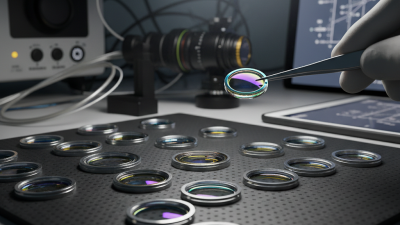
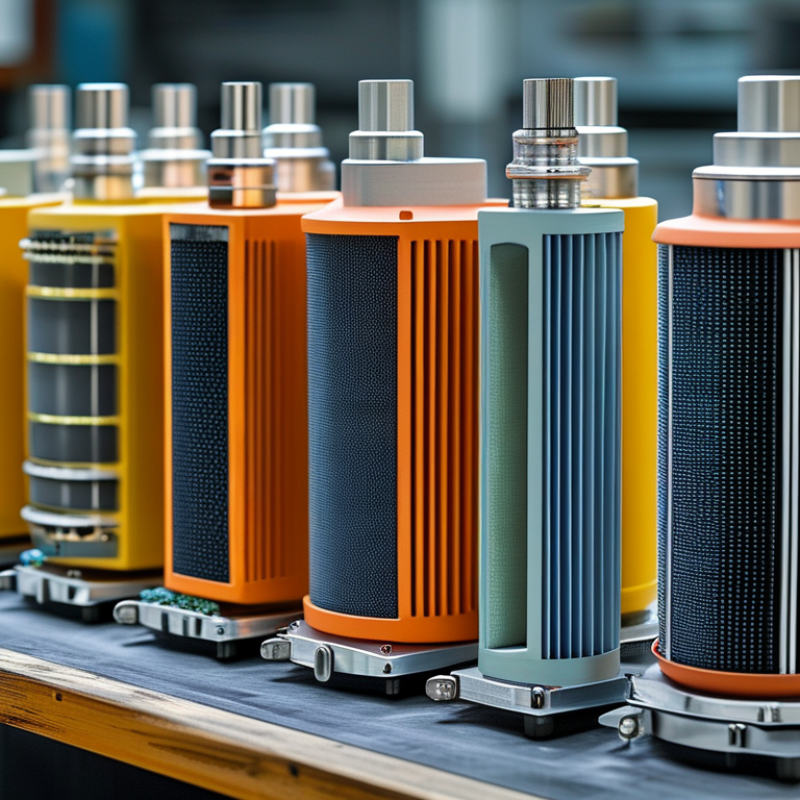
Dielectric filters are crucial in various applications, from telecommunications to optical systems. These filters utilize multiple layers of dielectric materials to selectively transmit or reflect specific wavelengths of light. This characteristic makes them ideal for managing light in complex optical setups. Unlike traditional filters, dielectric filters tend to have better performance and durability, which is vital in demanding environments.
Understanding the basics of dielectric filters is essential. The design often includes precise layering, which determines its optical properties. Factors such as the index of refraction and layer thickness play significant roles in filter performance. Many applications require refined specifications. Yet, achieving those specs can sometimes lead to manufacturing challenges. It's important to be aware that while many dielectric filters excel, inconsistencies can sometimes arise during production.
Application-wise, dielectric filters find use in areas like fluorescence microscopy and fiber optics. They help isolate specific light wavelengths while minimizing unwanted signals. However, in some cases, the filtering process may not be perfect. Users should consider potential losses and reflections. Evaluating the exact needs will guide the selection of the right dielectric filter for optimal results.
Understanding Dielectric Filters: Performance Comparison
This chart compares the transmission efficiency of various dielectric filters. Selecting the right filter depends on your specific needs and applications.
Types of Dielectric Filters: A Comprehensive Overview
Dielectric filters are crucial components in optical systems. They separate different wavelengths of light. Understanding their types can guide you in choosing the right one for your application.
There are several types of dielectric filters. Bandpass filters allow a specific range of wavelengths to pass through. This can improve signal clarity in communication devices. Notch filters, on the other hand, block certain wavelengths. This feature protects sensitive equipment from interference. Some filters are designed for reflection, while others focus on transmission. Every type has its unique benefits and applications, making the choice challenging.
Choosing the right dielectric filter requires careful consideration. You should assess your specific needs. Think about the wavelength range and the required filter efficiency. Each application may not have a perfect solution. It’s beneficial to test different filters to see their performance. Feedback from practical use can lead to better decision-making. Balancing quality and cost can sometimes be tough, but it is crucial for overall success in your project.
What are the Best Dielectric Filters for Your Needs? - Types of Dielectric Filters: A Comprehensive Overview
| Filter Type |
Wavelength Range (nm) |
Typical Applications |
Transmission (%) |
| Bandpass Filter |
400 - 700 |
Fluorescence Microscopy, Spectroscopy |
85 |
| Bandstop Filter |
500 - 550 |
Optical Systems, Laser Applications |
10 |
| Low-Pass Filter |
300 - 600 |
Cameras, Image Processing |
90 |
| High-Pass Filter |
600 - 1000 |
Optical Communication, Sensor Technology |
75 |
| Notch Filter |
450 - 480 |
Gas Detection, Laser Measurement |
5 |
Factors to Consider When Choosing Dielectric Filters
When selecting dielectric filters, several factors come into play. Understanding your specific application is essential. For instance, the frequency range must match your system’s requirements. Studies show that filters with a precision of ±0.1 dB can significantly enhance signal integrity. This precision ensures that the filter performs adequately within its designated frequency band.
The material composition of dielectric filters is another critical consideration. Materials like ceramic and glass offer different benefits. Ceramic filters often exhibit stable thermal performance, while glass can provide better encapsulation for high-frequency applications. According to reports, the global dielectric materials market is expected to grow at a CAGR of 5.6% from 2021 to 2028. This suggests a rising demand for high-quality dielectric filters in various industries.
Design characteristics cannot be overlooked. The filter's structure greatly influences its performance. Compact designs often struggle with power loss, while larger designs can be bulkier. Balancing size and efficiency is crucial yet challenging. Recognize that even top-rated filters have limitations. Continuous analysis and testing are necessary to achieve optimal results.
Top Brands and Models of Dielectric Filters on the Market
When choosing dielectric filters, several top brands stand out in the market. These brands are known for their quality and reliable performance. They cater to specific needs, such as telecommunications, medical applications, and scientific research. It's crucial to evaluate each brand based on user reviews and expert opinions.
For example, one well-regarded model is designed for robust environments. It features enhanced temperature stability and low insertion loss. However, some users report installation challenges. Another popular option may excel in optical clarity but come at a higher price. Balancing cost with performance is essential.
Trying different models could be beneficial. Each has unique characteristics that suit various applications. Take note of what works best for your specific needs. Some users find that testing before purchasing can lead to more satisfied outcomes. Always keep in mind that even the best products may have limitations. Regular feedback can help identify areas for improvement.
Maintenance and Care Tips for Dielectric Filters
Dielectric filters require proper care to maintain their efficiency. Regular cleaning is crucial. Dust and debris can accumulate and affect performance. Use a soft, lint-free cloth to gently wipe the surface. Avoid harsh chemicals; they can damage the filter. Sometimes, a simple water rinse is enough. Ensure the filter dries completely before reinstallation.
Check the alignment regularly. Misalignment can lead to inconsistent performance. If you notice a drop in quality, re-evaluate the position of the filter. It might also be necessary to inspect the surrounding equipment. Sometimes, issues arise not from the filter but from other components.
Documentation is key. Keep records of maintenance schedules. This helps identify patterns in performance and potential issues. Regular maintenance can extend the life of your dielectric filter. Remember, a well-maintained filter is crucial for optimal function. Neglecting care can lead to costly replacements. Take time for this essential task.