How to Choose the Right Dielectric Filters for Your Needs?
Dielectric filters are essential components in various optical applications. They selectively transmit certain wavelengths while blocking others, enhancing system performance. According to recent industry reports, the global demand for dielectric filters is projected to grow by 7% annually, driven by advancements in telecommunications and medical devices.
Selecting the right dielectric filter requires understanding your specific needs. Factors such as wavelength range, size, and optical density come into play. For instance, a filter designed for laser applications may differ significantly from one used in imaging systems. Technical specifications can be complex, and choosing incorrectly can lead to suboptimal system performance.
It's important to consult reputable manufacturers and consider third-party testing data. Reports from institutions like SPIE provide valuable insights. However, challenges in the selection process exist. Not all filters work well in every environment, and even minor miscalculations can lead to significant performance issues. Careful research and expert guidance can mitigate these risks and ensure optimal results.
Understanding Dielectric Filters: Principles and Applications
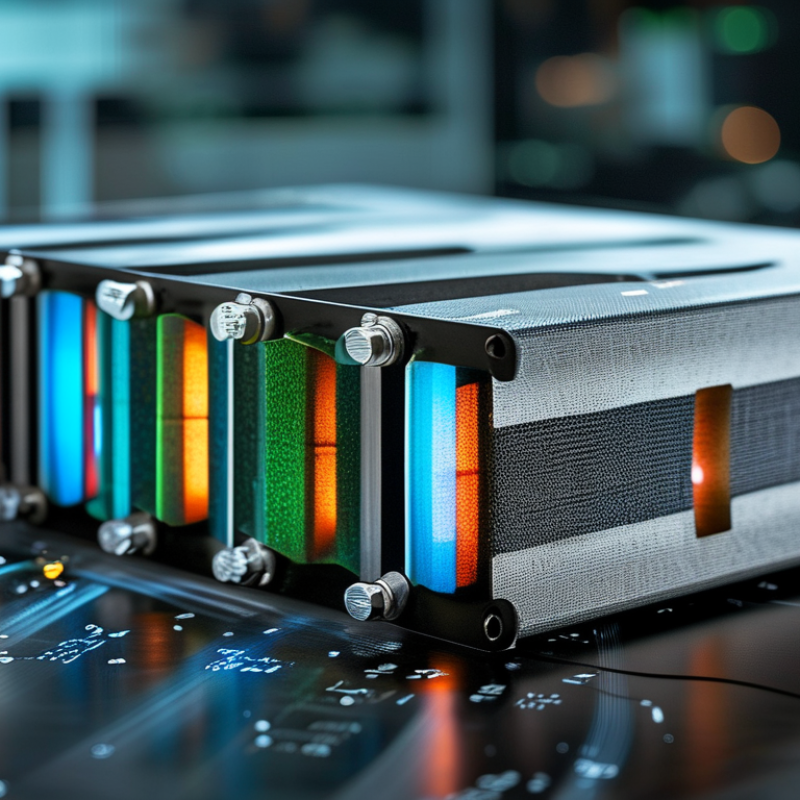
Dielectric filters play a crucial role in various optical applications. They use the principles of interference to selectively transmit specific wavelengths of light. This process involves thin layers of dielectric materials that reflect unwanted wavelengths while allowing others to pass through. The effectiveness of these filters depends on several factors, such as the materials used and the construction techniques.
When choosing dielectric filters, consider your specific needs. Different applications like telecommunications, photography, and scientific research require unique specifications. For instance, a filter used in a microscope might need a narrow bandwidth to isolate certain wavelengths. On the other hand, filters for broad-spectrum applications may require a wider range.
It's essential to reflect on the environment where the filter will be used. Factors like temperature and humidity can affect performance. Even subtle changes in these conditions can lead to varied results. Some filters may degrade over time, leading to diminished effectiveness. Understanding these intricacies ensures you select a filter that meets your unique demands, enhancing your project’s overall success.
Key Parameters for Selecting Dielectric Filters: Wavelength and Bandwidth
Choosing the right dielectric filters hinges on understanding key parameters like wavelength and bandwidth. Wavelength determines the specific range of light that the filter will transmit or block. When selecting a filter, consider the application. Different applications require different wavelengths for optimal performance. For instance, a filter for a laser system must match the laser's wavelength closely.
Bandwidth, on the other hand, refers to the range of wavelengths that the filter can effectively handle. A narrow bandwidth is ideal for applications requiring precision. A broader bandwidth is useful in scenarios where some variation in wavelength is acceptable. Think about how critical precision is to your project. If you need specific transmission characteristics, do not overlook the importance of selecting a filter with an appropriate bandwidth.
Don't rush the selection process. Always verify the specifications based on your requirements. It's essential to review how each parameter interacts with your specific use case. If you're unsure, consulting an expert in optical filters can offer valuable insights. Remember, aligning these parameters with your needs enhances performance and reliability. Always aim for a thoughtful approach.
Comparing Dielectric Filter Materials: Glass vs. Optical Coatings
When choosing dielectric filters, the material can significantly impact performance. Glass and optical coatings each have unique properties that cater to different applications. Glass dielectric filters are sturdy, providing good thermal stability and resistance to environmental factors. They are often used in applications requiring durability and robustness. According to a 2022 industry report, glass filters can withstand temperatures ranging from -40°C to 80°C without significant performance loss.
On the other hand, optical coatings offer precise wavelength selectivity and higher transmission efficiency. They reflect or transmit specific wavelengths, making them ideal for high-performance applications. A recent study indicated that filters with optical coatings could achieve up to 99% transmission at their target wavelengths. However, these coatings can be more susceptible to environmental damage and may require careful handling.
Choosing the right material depends on application needs. For instance, if ruggedness is required, glass is a solid choice. If performance and transmission efficiency are paramount, consider optical coatings. Weighing the pros and cons of each type is critical. Not all applications will benefit from the same material choice, highlighting the importance of assessing specific requirements. Reflecting on these considerations can lead to a more informed decision.
Performance Metrics: What to Look for in Dielectric Filter Efficiency
Choosing the right dielectric filters demands an understanding of performance metrics. Efficiency is a key factor affecting the filter's overall performance. Look for transmission loss specifications; lower loss translates to better performance. Equally important is the filter's bandwidth. Narrow bandwidth can enhance selectivity. Consider the application when determining the necessary bandwidth. Sometimes, wider bandwidth may be required for specific tasks.
Another vital aspect is the temperature stability of the dielectric filter. High stability ensures consistent performance across varying conditions. Examine the temperature coefficients provided by manufacturers to assess this. Impedance matching is another detail often overlooked. Poor impedance can lead to signal distortion. Careful examination of these metrics will guide you to make informed choices.
In practical applications, measurements can sometimes deviate from expectations. Variations can arise due to environmental conditions or installation methods. Collect real-world data to understand how the filter performs over time. This knowledge helps refine your selection process. Consistent assessment and adjustment can lead to better long-term outcomes. Engaging with these aspects will enhance the effectiveness of your filtering solutions.
Dielectric Filter Efficiency Metrics
Industry Standards and Compliance When Choosing Dielectric Filters
When selecting dielectric filters, understanding industry standards and compliance is essential. Regulatory bodies often provide guidelines for materials and performance. These standards ensure that the filters perform reliably in various applications. Staying compliant can help your project adhere to safety and performance benchmarks.
Start by researching the specific standards relevant to your field. Common ones include IEC, ISO, and various telecommunications standards. Knowing the requirements can help narrow down your options. Ensure that any selected filter is tested according to these regulations.
Consider sourcing filters from manufacturers that prioritize quality and compliance. Check whether they provide certifications. This verification adds credibility to their products. It might take extra time to verify, but it's crucial for reliable performance.
Choosing dielectric filters is more complex than it appears. Often, assumptions about performance and compatibility can lead to issues. Engaging with technical experts can provide valuable insights. Reflection on past selection mistakes can guide future purchases. A clear understanding of both your needs and compliance requirements can lead to better decision-making.
How to Choose the Right Dielectric Filters for Your Needs?
| Filter Type |
Wavelength Range (nm) |
Transmittance (%) |
Physical Dimensions (mm) |
Compliance Standards |
| Bandpass Filter |
400 - 700 |
90 |
25 x 25 |
ISO 9001 |
| Longpass Filter |
600 - 1000 |
85 |
30 x 30 |
RoHS |
| Shortpass Filter |
300 - 550 |
88 |
20 x 20 |
CE |
| Notch Filter |
450 - 650 |
80 |
35 x 35 |
MIL-STD-810 |