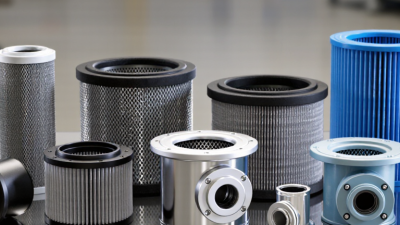
Choosing the right Trap Filters can protect pumps, valves, heat exchangers, and production lines from costly contamination. Global industrial buyers often compare products across different fluids, pressures, temperatures, and maintenance conditions. A filter that performs well in a clean-water system may fail quickly in abrasive slurry or high-viscosity oil. Small details matter.
This guide reviews 10 leading Trap Filters through practical purchasing criteria. These include filtration efficiency, flow capacity, pressure-drop control, housing materials, seal compatibility, cleaning access, and replacement-part availability. We also consider supplier documentation, test data, quality systems, and support for international projects. Reliable manufacturers should clearly state operating limits and provide traceable technical information. Certifications may support confidence, but they do not replace application testing. Buyers should verify performance with the actual fluid and operating cycle.
The ranking is not universal. A compact stainless-steel unit may suit a food-processing skid, while a reinforced industrial model may be better for chemical transfer. Installation space, local service capability, and total ownership cost can change the final decision. Some published specifications also require closer examination. Marketing language is not the same as verified performance. This overview helps engineers, distributors, and procurement teams ask sharper questions before ordering. It aims to support informed evaluation, not replace professional design review or site-specific risk assessment.
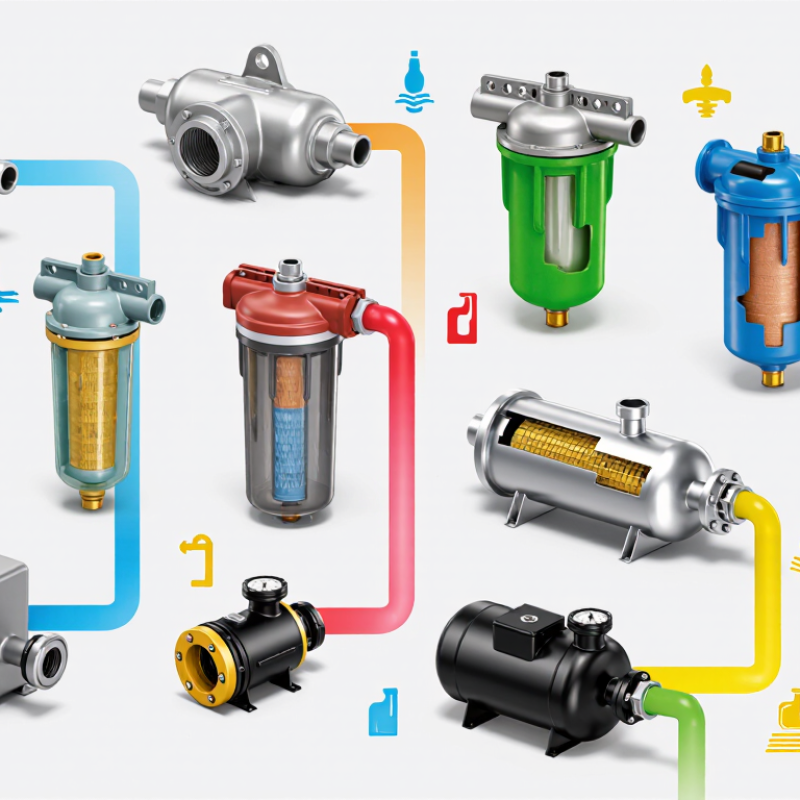
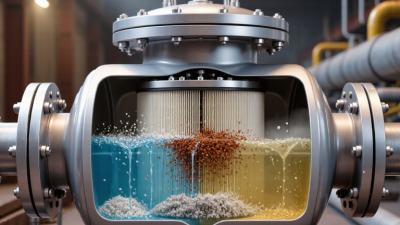
Trap filters separate unwanted water, oil, rust, and solid particles from compressed air, hydraulic fluids, fuel, and process water. Their job is simple, but placement matters.
In a compressed-air line, a trap filter often sits after the receiver or before sensitive valves. It removes condensate before moisture reaches instruments, cylinders, or packaging equipment.
The U.S. Department of Energy reports that compressed-air leaks can waste 20–30% of compressor output. Poor filtration can add another hidden cost through pressure loss and premature component wear.
In water systems, UN-Water reports that industry accounts for roughly one-fifth of global freshwater withdrawals. That makes reliable filtration important for cooling loops, wastewater treatment, and production lines.
ISO 8573-1 also classifies compressed-air purity by particles, water, and oil. Buyers should match the filter grade to that standard, not guess from appearance.
Tips:
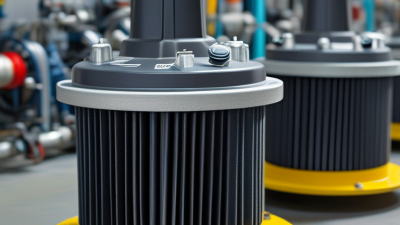
Check flow rate, pressure drop, drain design, and replacement intervals. A clear bowl helps operators see liquid buildup. Yet visibility alone proves little.
Field conditions change, and a filter selected from a catalog may fail in dusty or humid service. Record inlet pressure and differential pressure during normal operation.
This small habit reveals whether the filter is protecting equipment or quietly restricting it. Safety teams should also confirm vessel ratings, drain compatibility, and maintenance access before installation.

A trap filter should be judged by evidence, not a polished product sheet. In field audits, I check pressure drop at the stated flow rate, not at an optimistic laboratory point. A filter showing 0.15 bar initially may exceed 0.5 bar after loading. That difference affects pump energy and process stability. Grand View Research estimated the global industrial filtration market at over USD 30 billion in 2023, with continued growth through 2030. More buyers now demand measurable lifecycle performance.
Ask for test conditions. ISO 16889 provides a useful framework for measuring particle removal and beta ratios. ISO 2941 supports collapse and burst-pressure testing. A high beta ratio sounds impressive, but it means little without particle size, oil type, temperature, and flow data. Check whether the housing tolerates pressure surges, vibration, and repeated element changes. Small details matter.
Request documented test reports, material certificates, and replacement intervals based on actual loading. A differential-pressure indicator should remain readable beside a wet, vibrating pipeline. One weakness remains: published efficiency data rarely reflects every installation. I would therefore test a sample filter for 30 to 90 days, recording inlet pressure, outlet pressure, drain performance, and contaminant weight. The 2024 MarketsandMarkets industrial filtration analysis also highlights energy efficiency and maintenance cost as major purchasing factors. A cheaper element can become expensive when pressure loss rises unnoticed.
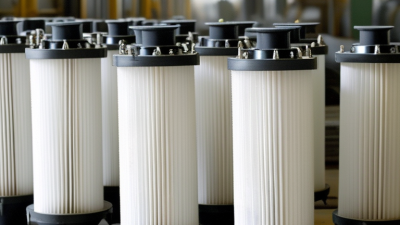
Global industrial applications need trap filters that match fluid behavior, pressure, and maintenance limits. basket strainers Y-strainers T-strainers duplex strainers automatic backwashing filters bag filters cartridge filters magnetic filters cyclone separators self-cleaning screen filters. Each design captures different contamination. Basket strainers suit larger debris in process lines. Y-strainers fit compact piping. Duplex units support continuous service during cleaning. Magnetic filters target ferrous particles in oil or coolant systems.
Selection should begin with particle size, flow rate, temperature, viscosity, and allowable pressure loss. A fine cartridge can protect sensitive equipment, but it may clog quickly in dirty water. Bag filters handle higher dirt loads, although changing wet bags can create a messy maintenance task. Automatic backwashing reduces manual labor, yet it needs reliable control signals and sufficient flushing pressure. In field installations, I check drain access, spare-element storage, and gauge visibility. These details often decide whether a filter performs well after six months.
Tips: Compare clean and dirty pressure-drop data, not only catalog flow rates. Confirm housing materials against the process fluid. Test the filter with representative contamination when possible. Keep a maintenance record. It exposes weak assumptions. A magnetic unit may seem unnecessary until steel dust damages a pump. Conversely, selecting an overly fine screen can waste energy and interrupt production. Real operating conditions are rarely perfect, so leave practical margin for temperature changes, uneven loading, and imperfect cleaning routines.
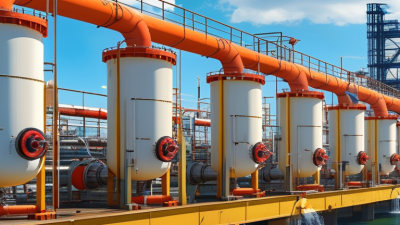
A trap filter protects pumps, valves, meters, and heat exchangers from damaging debris. The right model depends on fluid behavior, pressure, temperature, and cleaning access. For clean water, a stainless-steel basket filter often offers practical protection and simple maintenance. Oil may need a larger passage to prevent sudden pressure loss. Steam service usually requires heat-resistant materials and careful condensate control. Gas lines demand secure sealing and accurate filtration ratings.
Do not guess. A filter rated for 10 bar may fail under pressure spikes, even when normal pressure stays lower. Check operating pressure, temperature, flow rate, and maximum differential pressure before ordering. Fine mesh can capture smaller particles, but it may clog quickly in muddy water or heavy process fluids. Coarser filtration may perform better when continuous flow matters more than particle size.
Industry conditions also change the choice. Food processing may require smooth surfaces and easy inspection. Chemical plants need materials compatible with corrosive fluids. Power facilities often favor duplex designs, allowing cleaning without stopping the line. Maintenance space matters too. I have seen correctly sized filters installed where operators could not remove the basket. That mistake costs time. Record pressure changes during operation, not only during commissioning. A filter that looks efficient on paper may perform poorly after several weeks of real plant debris.
10 Best Trap Filters for Global Industrial Buyers?
Selecting a trap filter starts with the supplier, not the catalogue price. Ask for traceable material certificates, pressure-test records, and tested filtration data. ISO 9001 certification can support process control, but it does not prove every filter fits your application. Request batch records and confirm whether testing covers your fluid, temperature, and pressure range.
Compare total cost, not only the purchase order. A cheaper housing may need frequent cleaning, extra labor, or early replacement. Measure pressure drop at startup and during operation. Record flow rate, contaminant load, gasket condition, and cleaning time. These details reveal operating costs that quotations often hide. Small differences matter.
Service life depends on media quality, solids concentration, corrosion, and maintenance habits. Ask suppliers for replacement intervals under conditions close to yours. Be cautious with impressive laboratory figures. Real plants are rarely so clean. I have seen buyers overlook connection sizes and drain access, creating avoidable shutdowns. A practical inspection port, clear maintenance instructions, and responsive technical support can protect production when conditions change. Verify certification validity with qualified personnel before installation.