Why Are Trap Filters Used in Industrial Systems?
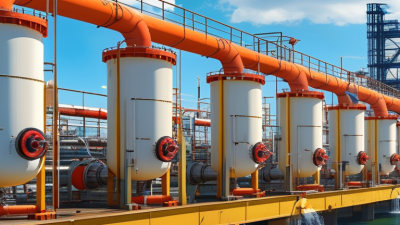
Trap Filters help industrial systems capture unwanted particles before they reach sensitive equipment or affect a process. Depending on the application, they may remove rust, scale, dust, fibers, or other suspended material from liquids and gases. A filter housing can sit along a pipeline, where operators inspect the element during routine maintenance. Small details matter. A clogged element can restrict flow, increase pressure drop, and place extra demand on pumps. In a production line, that may mean uneven flow or avoidable downtime.
Their value depends on choosing the right filter for the actual operating conditions. Engineers consider the fluid, particle size, flow rate, temperature, pressure, and acceptable pressure loss. They also check how often the filter can be serviced and whether replacement elements are readily available. There is no universal fit. A filter that performs well in one system may be inefficient in another, and finer filtration is not always better. It can increase resistance and maintenance needs.
In practice, reliable performance comes from proper sizing, installation, and inspection—not from the filter alone. Operators should follow equipment guidance and monitor pressure changes across the housing. A simple log can reveal a gradual blockage before it disrupts production. Even then, readings need context; changing feed conditions can affect them. Understanding why Trap Filters are used therefore means looking beyond particle capture to system protection, operating costs, and maintenance realities.
What Are Trap Filters and How Do They Work?
Why Are Trap Filters Used in Industrial Systems?
What Are Trap Filters and How Do They Work?
A trap filter, often called a strainer, is fitted upstream of a steam trap. Its metal mesh catches rust flakes, pipe scale, and weld debris before they reach the trap’s small passages. The trap then discharges condensate while limiting the escape of live steam. The filter protects; it does not regulate steam flow.
As steam moves through the strainer, liquid and steam pass through its screen, while larger particles collect inside. Over time, a clogged screen can restrict flow and cause condensate to back up. That can affect equipment performance, even when the trap itself is working. The U.S. Department of Energy’s Steam Tip Sheet #1 reports that 15–30% of traps in a typical steam system may have failed. This is not a filter-failure rate, but it underlines the value of routine inspection.
Tips: Check strainers during planned maintenance, and look for debris, damaged mesh, or signs of restricted flow. Follow site isolation and depressurization procedures before opening any pressurized equipment. A clean screen helps, but it cannot compensate for a faulty trap.
Why Are Trap Filters Used in Industrial Systems?
A trap filter captures solid debris before it can damage downstream equipment or interfere with a process.
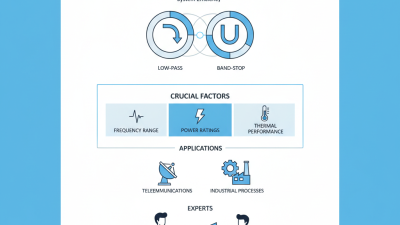
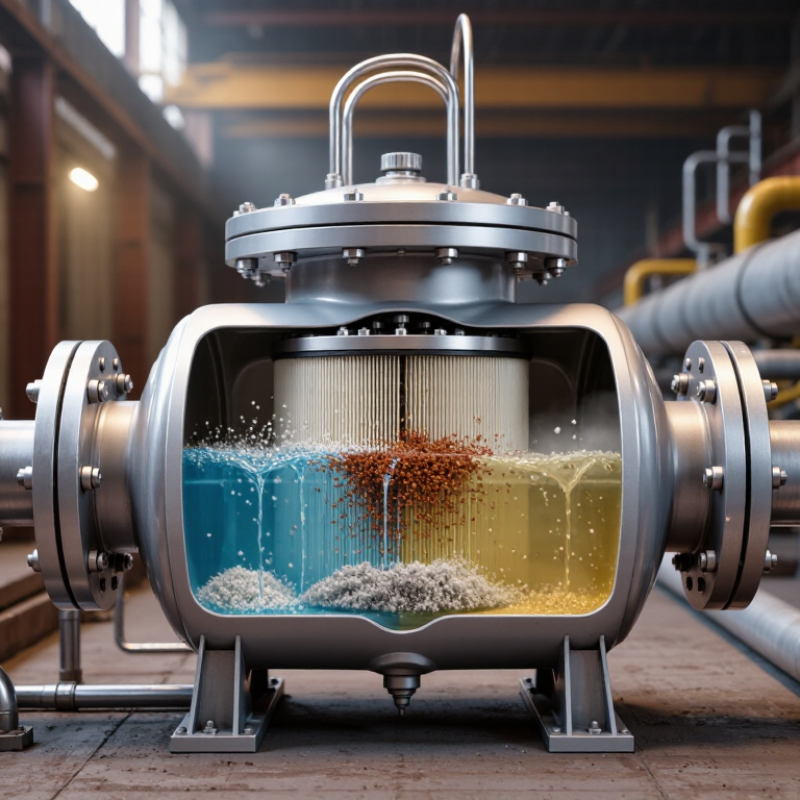
How to read the chart: A screen opening acts as a size barrier: particles larger than the opening are more likely to be retained, while smaller particles may pass through. Particle sizes shown are approximate examples; actual capture depends on particle shape, filter design, and operating conditions. As trapped debris accumulates, the filter may need cleaning or replacement.
Which Contaminants Can Trap Filters Remove?
Trap filters remove contaminants that travel in air or fluids. Common targets include dust, rust flakes, scale, metal fines, fibers, and liquid droplets. In a compressed-air line, a clogged filter may reveal itself as reduced pressure or a dirty condensate bowl. In process water, trapped grit can score pump seals. Filter media and pore size determine what gets caught; dissolved salts and many dissolved chemicals usually pass through.
For airborne particles, ASHRAE Standard 52.2 rates filters by particle-size range. A MERV 13 filter must achieve minimum efficiencies of 50% for particles from 0.3 to 1 micrometer, 85% from 1 to 3 micrometers, and 90% from 3 to 10 micrometers. These are test results, not a promise for every installed system. Air leaks and poor maintenance can undermine performance. A rating is not the whole story.
Industrial dust collectors use larger fabric filters to capture particles from exhaust streams. The U.S. EPA’s fabric-filter technology fact sheet reports typical collection efficiencies of 99% to 99.9%, depending on equipment and operating conditions. That figure applies to particulate matter, not gases or vapors. Not every contaminant. A filter chart can still flatter reality: actual capture depends on particle size, flow rate, loading, and whether the element is damaged or overdue for replacement.
Why Are Trap Filters Important in Industrial Systems?
In steam systems, trap filters—often called strainers—sit upstream of steam traps. Their mesh catches rust flakes, pipe scale, and other debris before it reaches the trap’s small valve opening. A blocked valve can hold condensate in a pipe, while a damaged or fouled seat may leak live steam. Neither outcome is harmless. A filter is a simple barrier, not a cure-all; it cannot correct poor drainage or a failing trap.
The U.S. Department of Energy’s Improving Steam System Performance: A Sourcebook for Industry reports that 15–30% of steam traps may fail in a typical industrial facility. That figure describes trap failures, not filter effectiveness, but it shows why routine inspection matters. During maintenance, technicians can isolate the strainer, remove its screen, and check for packed scale or torn mesh. Look closely. A clean screen today does not guarantee clean piping tomorrow. The DOE sourcebook also emphasizes regular trap surveys, since unnoticed failures waste steam and disrupt process control. Filters help protect that equipment, but they can themselves clog and restrict flow. In practice, the right mesh size depends on the system and debris load; finer is not always better. A filter that is hard to inspect may be skipped. That is a real maintenance weakness.
Why Are Trap Filters Important in Industrial Systems?
| Industrial System |
Debris Commonly Captured |
How the Trap Filter Helps |
Typical Installation Point |
Inspection or Maintenance Consideration |
| Steam heating and process lines |
Pipe scale, rust, and installation debris |
Helps prevent particles from obstructing the steam trap’s internal passages or moving parts, supporting reliable condensate discharge. |
In the line immediately upstream of the steam trap, following the equipment manufacturer’s installation guidance. |
Inspect and clean the screen when maintenance checks indicate fouling or when a blockage is suspected. |
| Boiler and condensate-return systems |
Corrosion products and loose solids carried with condensate |
Reduces the risk of debris interfering with trap operation and entering downstream condensate equipment. |
Upstream of the trap or other component being protected. |
Check for accumulated solids; isolate and depressurize the equipment before servicing. |
| Steam tracing |
Rust, scale, and debris from small-bore piping |
Helps keep small trap orifices and passages clear, which is especially useful where debris could restrict flow. |
Near the steam trap inlet, with adequate access for inspection and cleaning. |
Include the screen in routine tracing-system checks, particularly when drainage performance changes. |
| Process equipment drainage |
Solids released from piping, valves, or connected equipment |
Provides a first line of protection against particulate-related sticking, blockage, or impaired trap capacity. |
Upstream of the trap, while maintaining the required piping layout and service access. |
Investigate repeated clogging; it may indicate corrosion, poor flushing, or debris entering the line. |
| General trap protection |
Entrained particulate matter; not dissolved contaminants |
Can reduce debris-related maintenance and help preserve trap performance, but does not remove dissolved minerals or replace water treatment. |
Selected for the trap type, operating conditions, and system design. |
Choose a suitable screen and account for pressure drop, cleaning needs, and the manufacturer’s recommendations. |
Note: A trap filter or strainer protects against solid debris; it does not correct water-hammer, incorrect trap sizing, or other system-design problems.
Where Are Trap Filters Commonly Used?
Trap filters are most often installed immediately upstream of steam traps, where they catch rust flakes, pipe scale, and debris before these particles reach the trap opening. Typical locations include boiler-room headers, steam mains, condensate return lines, and branches serving heat exchangers, dryers, and process-heating equipment. They are especially useful after pipe repairs or in older networks, where loose deposits can collect in low points. Small parts matter.
The
U.S. Department of Energy’s Improving Steam System Performance: A Sourcebook for Industry reports that steam systems use about 30% of the energy consumed in U.S. manufacturing.
That broad industrial footprint helps explain why trap protection matters in facilities such as food processing, paper production, and chemical manufacturing. Filters are also fitted on steam tracing lines, where a blocked trap can leave a short pipe run cold and slow temperature control. But placement is not universal; operators should check the trap type, flow direction, and maintenance access. A filter that is difficult to inspect may be neglected, and fine mesh can clog quickly when a system carries heavy debris.
How Should Trap Filters Be Selected and Maintained?
Why Are Trap Filters Used in Industrial Systems?
Selecting and Maintaining Trap Filters
A trap filter protects steam traps and other process equipment from rust, scale, and pipe debris. Without filtration, particles can lodge in a valve seat and prevent proper operation. The result may be leaking steam, poor condensate drainage, or unexpected downtime. A small screen can make a real difference.
Choose a filter for the service fluid, operating pressure, temperature, flow rate, and pipe connection. Check the manufacturer’s data for compatible materials and allowable pressure drop. Screen openings should retain likely debris without restricting flow excessively. In practice, the cleanest-looking specification is not always the best fit; actual contamination levels can vary between lines. Leave enough clearance for safe inspection and screen removal.
Tips: Isolate and depressurize the line before opening the filter. Inspect the screen for deformation, corrosion, and packed solids. Clean or replace it when needed, and check the gasket before reassembly. Record the inspection date and what you find. Keep it simple. If a screen clogs repeatedly, investigate upstream corrosion or installation debris rather than relying on more frequent cleaning alone. A maintenance schedule helps, but it should be adjusted to real operating conditions.