What Are Radar Filters and How Do They Work?
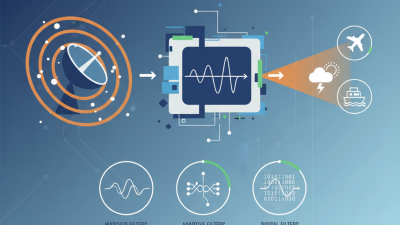
Radar filters play a crucial role in modern radar systems. They help improve signal clarity and minimize noise. By eliminating unwanted signals, radar filters enhance detection capabilities. This is particularly vital in various applications, such as aviation and maritime navigation.
Understanding radar filters involves delving into their types and mechanisms. Some filters focus on frequency, while others target specific signal properties. This complexity can make it challenging for users to select the right filter. Not all filters deliver the same level of performance; some may fail under certain conditions.
As radar technology evolves, the demand for effective filtering solutions grows. Users must be aware of potential limitations. Even the best radar filters may not perform flawlessly in every scenario. This ongoing challenge highlights a greater need for research and development in the field. Thus, comprehending radar filters is essential for anyone involved in radar technology.
What Are Radar Filters?
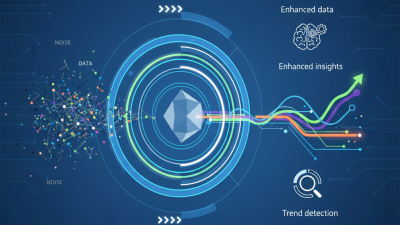
Radar filters are essential components in radar systems, designed to enhance signal detection and reduce unwanted noise. They help separate the desired signals from background interference. This is particularly important in environments rich with clutter. By effectively filtering out distractions, radar filters ensure clearer and more accurate data interpretation.
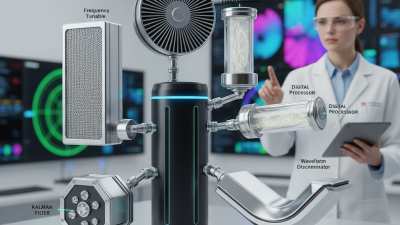
These filters operate using various techniques, such as matched filtering and Kalman filtering. Matched filtering applies a specific response to a known signal shape, optimizing detection capabilities. On the other hand, Kalman filtering provides a statistical approach, offering predictions based on past data. Despite their effectiveness, misconfiguration can lead to lost targets or missed signals. It's crucial for operators to thoroughly understand their settings.
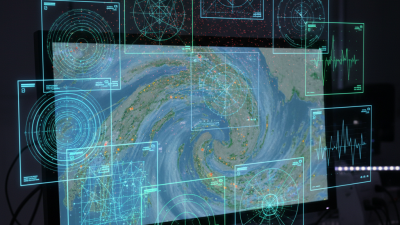
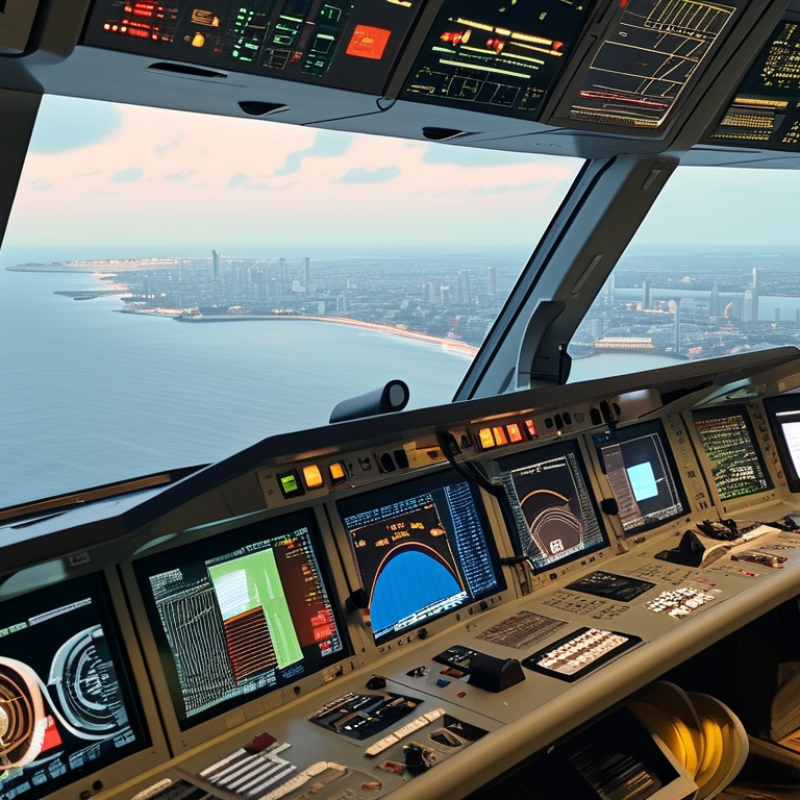
In practical applications, radar filters are used in aviation, maritime navigation, and even weather monitoring. Each application presents unique challenges. For instance, weather radar must filter raindrop clutter, while aviation radar must prioritize aircraft detection. Operators must continually refine their techniques. The ongoing development of radar technology means that staying updated is essential for effective use.
The Importance of Radar Filters in Signal Processing
Radar filters play a crucial role in signal processing, particularly in enhancing the quality and accuracy of radar systems. According to a report by the International Journal of Electronics, using advanced radar filters can improve detection rates by up to 30%. This improvement is vital in applications like air traffic control and meteorology, where precision is paramount. The effectiveness of radar systems heavily relies on filtering techniques that reduce noise and unwanted signals.
Signal processing is often hampered by various factors, including environmental interferences and clutter. The right radar filter can help mitigate these issues, allowing for clearer signal interpretation. Researchers indicate that effective filtering can decrease false alarm rates by 15%, resulting in more reliable data for decision-making. However, while these enhancements are instrumental, they require constant evaluation and refinement. The challenge remains in balancing the filter parameters to avoid losing vital signal information.
The integration of machine learning into radar filter design shows promise. By analyzing past signal data, systems can adaptively optimize filter settings. Yet, this approach demands extensive testing and validation. The reliance on technology can sometimes lead to overconfidence in radar performance. Continuous assessment and improvement will remain essential as we advance in radar technology.
Types of Radar Filters and Their Applications
Radar filters play a crucial role in enhancing the accuracy of radar systems. Different types serve various purposes across industries. For instance, low-pass filters are common in weather radar. They help remove high-frequency noise. This allows meteorologists to analyze precipitation patterns better.
High-pass filters are essential in target detection. They emphasize moving targets while reducing clutter. According to a 2022 report by the International Radar Society, these filters are vital in aviation for tracking fast-moving objects. The report states that effective filtering techniques improve the reliability of radar data by over 30% in busy airspaces.
Band-pass filters offer another layer of functionality. They allow only a specific range of frequencies to pass. This capability is invaluable in maritime applications, where distinguishing between ships and environmental noise is critical. Research by the Maritime Radar Assessment Group indicates that adaptive band-pass filtering can enhance target recognition accuracy by 40%. These advancements illustrate the relentless pursuit of improving radar technology across various sectors.
How Radar Filters Improve Detection Accuracy
Radar filters play a crucial role in enhancing detection accuracy. By sifting through vast amounts of data, these filters isolate relevant signals from background noise. This process is essential for systems that rely on clear detection, such as aviation and maritime navigation. Objects in the radar’s path can create clutter that obscures important signals. Without effective filtering, distinguishing between a real target and noise becomes challenging.
The operation of radar filters often involves algorithms that adapt based on the detected environment. For example, in busy shipping lanes, filters help maintain clarity by reducing interference from multiple boats. However, filters aren't perfect. Sometimes, they may unintentionally remove important data while trying to eliminate noise. This could lead to missed signals, especially in complex scenarios.
Moreover, the choice of filter can significantly impact detection results. Engineers must carefully select and tune filters for varying conditions. The balance between sensitivity and specificity is delicate. High sensitivity might pick up unwanted noise, while too much specificity could ignore critical targets. Continuous evaluation and adjustment are necessary to ensure optimal performance, proving that even advanced technology requires ongoing reflection and improvement.
What Are Radar Filters and How Do They Work? - How Radar Filters Improve Detection Accuracy
| Filter Type |
Function |
Application |
Impact on Detection |
| Kalman Filter |
Estimates state of a moving object |
Aviation, Automotive |
Improves position accuracy |
| Pulse-Doppler Filter |
Separates targets based on speed |
Military Defense |
Enhances target discrimination |
| Low Pass Filter |
Reduces high-frequency noise |
Meteorology, Surveillance |
Improves signal clarity |
| Notch Filter |
Attenuates specific frequency ranges |
Marine Navigation |
Reduces interference |
| Adaptive Filter |
Adjusts parameters based on input |
Telecommunications |
Optimizes signal processing |
The Future of Radar Filters in Advanced Technologies
Radar filters have become a pivotal aspect of contemporary technological advancements. As societies push for more efficient systems, the demand for precise radar data continues to rise. These filters enhance the quality of radar signals by eliminating noise and improving detection capabilities. This refinement is crucial for applications ranging from weather forecasting to autonomous vehicles, where accurate data interpretation is essential.
Looking ahead, the future of radar filters appears promising. With the rise of machine learning and artificial intelligence, radar technology will likely evolve significantly. These smart filters could adapt in real-time, learning from their environment and improving accuracy. However, challenges such as widespread integration and computational limitations must be addressed. As engineers work to refine these technologies, the potential for breakthroughs remains immense.
In conclusion, a careful balance between innovation and practicality will drive future developments in radar filtering. Stakeholders must focus on reliability while remaining open to experimentation. Embracing this duality could unlock new applications and elevate the effectiveness of radar technology in various fields. Challenges lie ahead, but with focused efforts, the next generation of radar filters could redefine our technological landscape.