How to Choose the Best Dielectric Filters for Your Needs?
Choosing the right dielectric filters is crucial for various applications, especially in telecommunications and optics. These devices play a significant role in managing light and electromagnetic signals. Selecting dielectric filters may seem straightforward, but factors like wavelength range and transmission efficiency can complicate the process.
Many users lack clarity on specifications. What is your primary use? Do you need precise wavelengths? These are essential questions. Different applications require unique characteristics from dielectric filters. Quality matters, especially in professional settings.
Your choice may impact performance significantly. Research and expert knowledge can guide you. Consider recommendations from manufacturers and industry professionals. This helps to avoid costly mistakes. Think critically about your needs, and don't hesitate to seek expert advice for the best results.
Understanding Dielectric Filters: Basics and Functionality
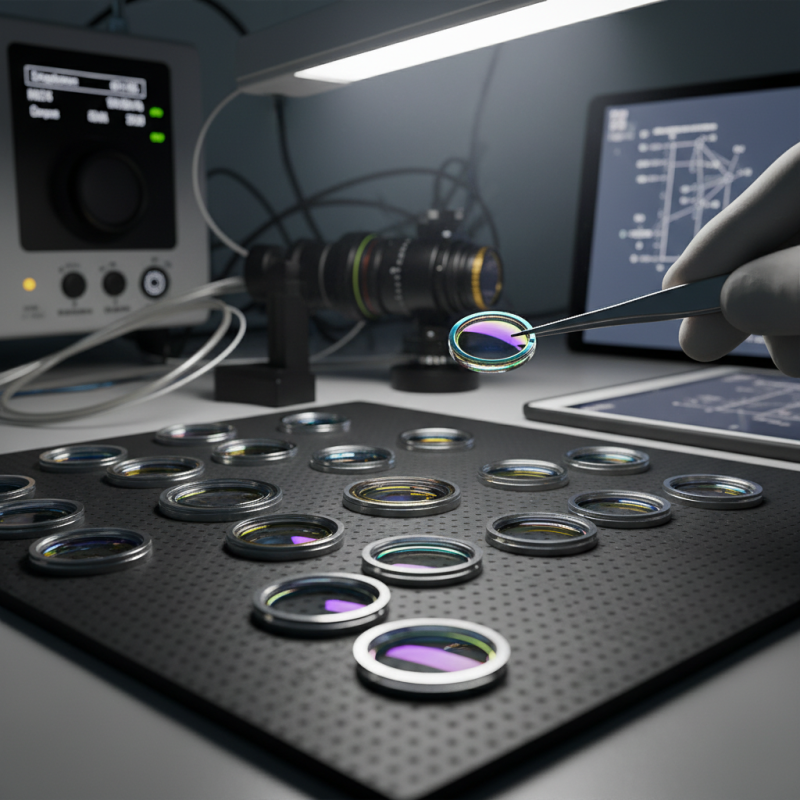
Dielectric filters are essential components in various optical applications. They selectively transmit or reflect specific wavelengths. Understanding their basics is crucial for effective usage. These filters rely on thin layers of dielectric materials, which create interference effects. When light hits these layers, some wavelengths are transmitted, while others are reflected. This mechanism is fundamental to their functionality.
In practice, the choice of a dielectric filter can be challenging. Factors such as wavelength range, bandwidth, and surface quality play significant roles. A filter designed for a specific wavelength might perform poorly at others. This limitation can lead to suboptimal results. It's important to evaluate the environment where the filter will be used. For example, high-intensity light sources may require more robust filters to enhance longevity.
Choosing the right dielectric filter often requires trial and error. Not every filter suits every application. Understanding your system's needs is vital. Engaging with industry experts can also provide clarity. Some might overlook the importance of precise specifications. Yet, this oversight can lead to wasted resources and time. Knowledge is key in making informed decisions.
Key Factors to Consider When Selecting Dielectric Filters
Selecting the right dielectric filters involves several key factors. First, understand your application requirements. Are you working with RF communication or optical systems? Each application demands different specifications. Research suggests that filters optimized for specific frequencies enhance performance significantly. For example, using filters with low insertion loss can improve signal quality.
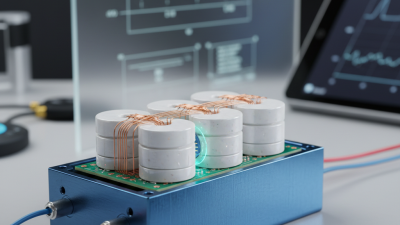
Another crucial aspect is the material choice. Dielectric filters are often made from various materials, impacting their durability and performance. Reports indicate that materials like ceramic provide excellent thermal stability. However, they might not be suitable for every environment. Conducting a thorough analysis of your working conditions is essential. Think about temperature fluctuations and humidity levels.
Tips: Always consult with industry professionals. They can provide insights that align with your specific needs. Remember, filtering characteristics like bandwidth and ripple define the filter's efficacy. Assess long-term reliability based on manufacturer data and industry standards. Stay informed about the latest advancements in filter technology, as new materials continually emerge. Choosing wisely can lead to significant performance enhancements.
Different Types of Dielectric Filters and Their Applications
Dielectric filters serve essential functions in various applications, including telecommunications, medicine, and materials research. Understanding the types available can significantly impact your project’s success. Most notably, thin-film dielectric filters dominate the market due to their superior performance. According to a recent industry report, thin-film technology accounts for approximately 50% of the current dielectric filter market share.
Another significant type is the optical dielectric filter, commonly used in cameras and optical systems. These filters selectively transmit specific wavelengths, enhancing image quality. They are often implemented in spectral imaging applications, where precision is critical. However, the complexity of optical designs can lead to considerable costs and time delays during production. Careful planning is essential to overcome these potential hurdles.
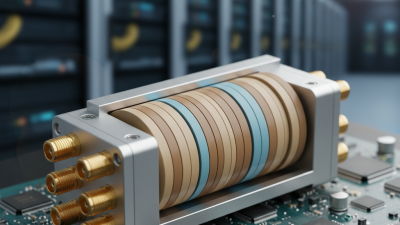
Lastly, ceramic dielectric filters are known for their stability. They perform well in harsh environmental conditions. Industries requiring robustness often rely on ceramic types for reliable results. Yet, their bulkiness and a tendency for higher losses in certain frequencies pose challenges. Analyzing fragmentation and performance under diverse conditions can help ensure the correct choice is made.
Evaluating Performance Metrics for Dielectric Filters
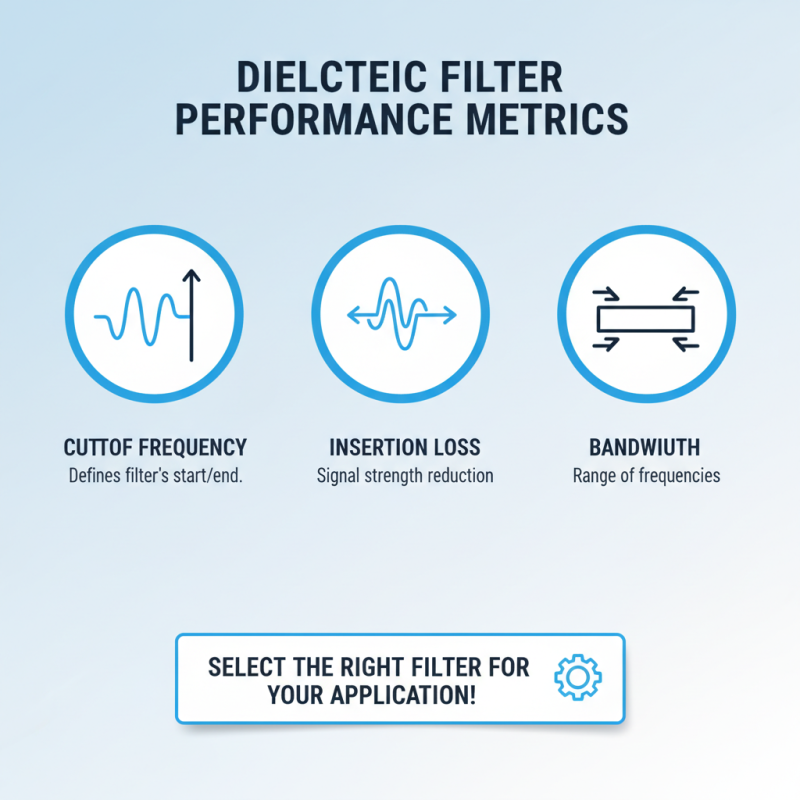
When selecting dielectric filters, performance metrics play a vital role. Key specifications to evaluate include the filter's cutoff frequency, insertion loss, and bandwidth. A low insertion loss ensures that the signal remains strong after passing through the filter. Bandwidth defines the range of frequencies that the filter can effectively manage. Knowing these parameters helps you select a filter suited to specific applications.
Another critical factor is temperature stability. Variations in temperature can affect filter performance. A filter that maintains consistent performance across a range of temperatures builds reliability in various environments. Remember to assess the material used in the filter's construction as well. Different materials not only impact durability but also the overall effectiveness of the device.
It's essential to reflect on your actual needs versus the specifications available. Often, users may desire a filter with high selectivity but overlook cost implications. Balancing performance and budget is a crucial challenge. Additionally, consider future applications. A filter that meets today's needs may not serve well later. This foresight can save time and resources. Proper evaluation requires attention to detail, and being aware of the trade-offs can lead to better decision-making.
Practical Tips for Installing and Maintaining Dielectric Filters
When installing dielectric filters, proper placement and maintenance are crucial for optimizing performance. Research from the Institute of Electrical and Electronics Engineers (IEEE) indicates that over 30% of signal integrity issues stem from improper filter use. Choosing the right location can significantly enhance efficiency.
Tip: Keep filters away from electromagnetic interference sources. This helps maintain clear signal transmission.
Regular inspections are essential. Checking connections and cleaning filter surfaces can prevent signal degradation. A study by the International Journal of Electronics suggests that routine maintenance increases filter lifespan by up to 40%.
Tip: Schedule quarterly assessments. This will ensure filters operate at peak performance.
If you notice unexpected performance drops, consider recalibrating filters regularly. Minor adjustments can lead to substantial improvements in signal clarity. Maintaining a log of performance metrics may also help identify trends over time.