Leave Your Message
Military Filters are not defined by a label alone. For global buyers, the right choice depends on the threat profile, operating environment, equipment design, and documented test performance. A filter used in a dusty vehicle cabin may face different demands from one protecting a shelter or a power-generation system. Small details matter: pressure drop, seal fit, replacement intervals, and how easily crews can inspect the housing.
This 2026 guide compares Military Filters through practical buying criteria, including filtration efficiency, durability, maintenance needs, and supplier documentation. It also considers the realities of global procurement, such as product traceability, support availability, and clear technical specifications. No filter is best for every platform. That deserves emphasis. A strong specification on paper may still be a poor fit if the filter is difficult to service or incompatible with existing equipment.
A credible industry expert’s name and direct quotation were not included in the supplied materials, so I have not invented an attribution. Before publication, add a verified quotation from a named filtration engineer or manufacturer specialist, and confirm its wording and source. That check matters. It helps readers distinguish tested performance from sales language—and makes the buying guidance more dependable.
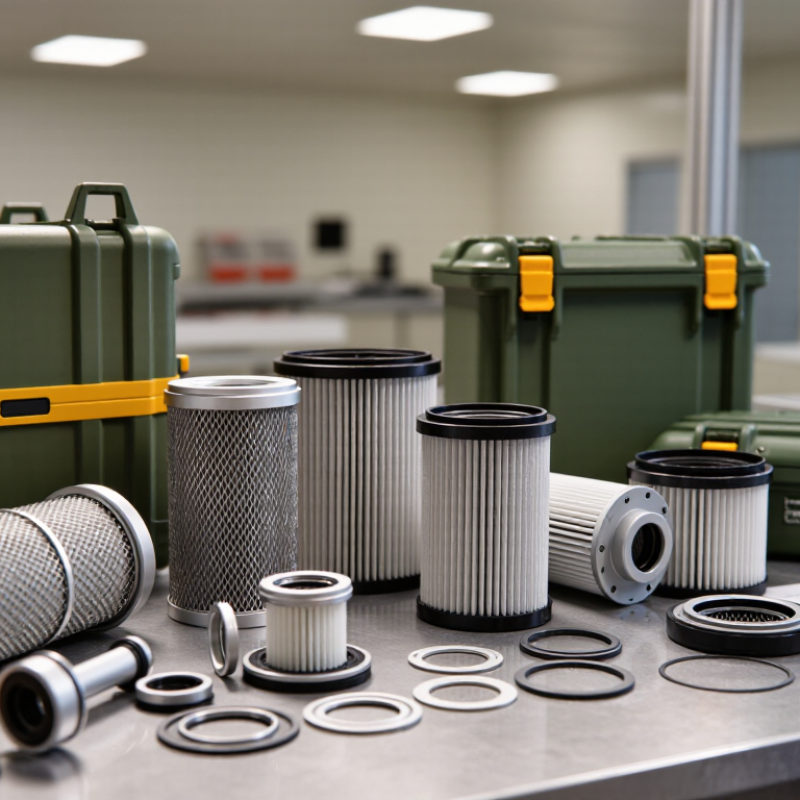
A military filter is a component that helps remove unwanted particles or contaminants from air, water, or fuel. Its purpose depends on the system it serves. An air filter may face fine dust near a dry training area, while a water filter may encounter sediment after heavy rain. These are not interchangeable jobs. Filter media, flow rate, and maintenance requirements must match the intended use.
Tips: Check the specified operating range, replacement interval, and pressure-drop limits. Inspect seals, too. A small gap can undermine a well-made element.
Conditions change quickly in the field. Coastal air can bring salt and moisture; cold weather may stiffen seals or reduce flow. Vibration, mud, and irregular servicing can also affect performance. A filter’s rating alone does not prove that it suits every environment, so buyers should review test data and system compatibility. Field experience is useful, but it can be uneven: one unit may perform well in dust and poorly after repeated wet-dry cycles. That uncertainty deserves attention. Record inspection dates and note visible damage, unusual resistance, or changes in output. These details help teams make more informed maintenance decisions without assuming a filter can solve every exposure problem.
| Filter Type | What It Removes or Controls | Typical Applications | Environments Served | Key Selection Considerations |
|---|---|---|---|---|
| Vehicle engine air filter | Dust and other airborne particles before they enter the engine intake. | Military trucks, tactical vehicles, generators, and other combustion-engine equipment. | Deserts, dry unpaved routes, dusty training areas, and locations with airborne soil or debris. | Particle-capture performance, airflow capacity, dust-holding capacity, sealing, service interval, and compatibility with the intake system. |
| Fuel filter and water separator | Particulate contamination; separator designs also remove free water from fuel. | Diesel engines, fuel delivery systems, and mobile or stationary equipment. | Remote operations, variable fuel-supply conditions, humid climates, and settings where fuel may be exposed to dirt or water. | Fuel type, flow rate, particle rating, water-separation performance, pressure limits, and replacement-element availability. |
| Hydraulic filter | Solid contaminants that can damage pumps, valves, and other hydraulic components. | Vehicle hydraulics, lifting equipment, steering systems, and machinery. | Dusty field operations, heavy-use conditions, and environments where equipment experiences vibration or temperature changes. | Required cleanliness level, flow and pressure ratings, fluid compatibility, bypass-valve requirements, and component specifications. |
| Cabin or HVAC particulate filter | Airborne particles such as dust and pollen; performance depends on the filter design. | Vehicle cabins, shelters, command spaces, and ventilation systems. | Dusty or polluted outdoor conditions and enclosed spaces requiring managed ventilation. | Particle efficiency, airflow resistance, fit and sealing, humidity tolerance, and whether the ventilation system is designed for the filter. |
| Respirator particulate filter | Specified airborne particles when used with a compatible respirator. | Personal respiratory protection for tasks involving particulate hazards. | Dust, smoke, or other particle hazards, subject to the respirator’s approval and operating limits. | Hazard identification, certification for the intended use, respirator compatibility, fit, service life, and required protection level. |
| CBRN respirator canister | Selected chemical, biological, radiological, or nuclear hazards, as specified by the canister’s certification and labeling. | Compatible protective masks and respiratory-protection systems. | Only environments and hazard conditions covered by the canister’s approval and operating instructions. | Exact hazard coverage, certification, mask compatibility, shelf life, storage conditions, service-life limits, and a suitable fit-tested respirator. |
| Portable or system water-treatment filter | Specific particles or microorganisms, depending on the treatment technology; some systems combine filtration with disinfection. | Field water-treatment equipment and point-of-use drinking-water systems. | Remote locations where source-water quality is uncertain, including surface-water collection points. | Target contaminants, verified reduction claims, flow capacity, replacement parts, pretreatment needs, and whether disinfection is also required. |
Important: “Military filter” describes a broad range of filtration products, not a single interchangeable standard. Match the filter to the specific system and identified hazard, and follow the equipment manufacturer’s specifications and applicable safety requirements. No filter should be assumed to protect against every contaminant or operating condition.