Unlocking the Potential of Dielectric Filters: Innovations and Applications in Modern Technology
The recent advancements in technology have paved the way for the exploration of Dielectric Filters, which are increasingly becoming essential components in various modern applications. According to a report by MarketsandMarkets, the global dielectric filter market is expected to reach $4.1 billion by 2027, growing at a CAGR of 10.2% from 2022. This surge reflects the growing demand for high-performance communication systems, particularly in wireless technology and satellite communications, where precision in frequency selection is paramount. As industries strive for improved signal integrity and reduced interference, Dielectric Filters stand out due to their superior performance in handling microwave frequencies while maintaining compact size and weight. The innovations surrounding these filters not only enhance the efficiency of current technologies but also open new avenues for their application in emerging fields such as 5G, medical devices, and automotive systems, ultimately transforming the technological landscape.

Revolutionizing Communication: The Role of Dielectric Filters in 5G Networks
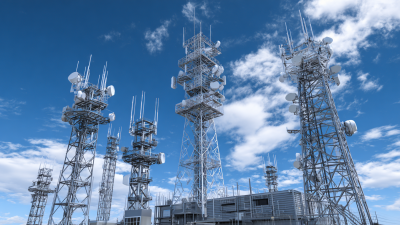
Dielectric filters are becoming an essential component in the evolution of 5G networks, significantly enhancing communication capabilities. Their ability to selectively transmit or reflect specific frequency ranges allows for improved signal clarity and reduced interference, which is critical for supporting the high data rates and low latency that 5G technology promises. As communication demands continue to grow, the integration of dielectric filters into network infrastructures is creating new possibilities for faster and more reliable connectivity.
**Tips:** When considering the implementation of dielectric filters in communication systems, ensure that you choose filters with the appropriate bandwidth and insertion loss specifications for your specific application. This attention to detail can help optimize performance and ensure seamless integration with existing technologies.
Moreover, dielectric filters are increasingly being utilized not only in mobile networks but also in various IoT applications, satellite communications, and automotive technology. Their lightweight and compact design allow for easy integration into a wide range of devices. As we continue to embrace more connected technologies, the importance of these filters in supporting efficient communication will only grow.
**Tips:** Regularly assess the performance of dielectric filters within your systems to identify potential upgrades or adjustments. Staying informed about the latest innovations in filter technology can lead to significant improvements in overall system performance.
Dielectric Filters in RF Applications: Enhancing Signal Integrity and Performance
Dielectric filters have emerged as essential components in radio frequency (RF) applications, significantly enhancing signal integrity and overall performance. According to a report by MarketsandMarkets, the global RF filters market is projected to reach USD 32.2 billion by 2026, driven primarily by the increasing demand for high-frequency communication systems and the proliferation of wireless technologies.
Dielectric filters, known for their superior temperature stability and high power handling capabilities, play a pivotal role in ensuring clean signal transmission, which is crucial for applications in telecommunications, satellite communications, and automotive radar systems.
Recent innovations in dielectric filter technology have led to more compact and efficient designs that are capable of supporting higher frequency ranges, extending up to 100 GHz and beyond. For instance, advanced manufacturing techniques such as ceramic multilayer technology enable the production of filters with tighter tolerances and reduced size, addressing the space constraints commonly faced in modern electronic devices. This evolution not only improves signal integrity by minimizing loss and distortion but also enhances the overall performance of RF systems, making dielectric filters a critical component in achieving high-quality communication standards in the rapidly evolving tech landscape.
Innovative Materials in Dielectric Filters: Advancements and Industry Impact
Dielectric filters have rapidly evolved, driven by advancements in innovative materials that enhance performance across various industries. Recent reports, such as the "Global Dielectric Filter Market Analysis" by TechNavio, project a staggering growth rate of over 8% from 2023 to 2027, highlighting the increasing demand for high-performance filtering solutions in telecommunications, aerospace, and consumer electronics. These filters are essential for applications requiring precise frequency selectivity and stability, such as in satellite communications and 5G technology.
The use of advanced materials such as ceramics, polymers, and nanocomposites in the manufacturing of dielectric filters has significantly improved their efficiency and performance. For instance, the development of low-temperature co-fired ceramics (LTCC) offers superior thermal stability and customizable designs, making them ideal for high-frequency applications. According to a report by MarketsandMarkets, the adoption of LTCC-based dielectric filters is expected to dominate the market, accounting for nearly 40% of the share by 2025.
Tips: When selecting dielectric filters for specific applications, consider the material properties and their impact on performance parameters such as temperature stability and frequency range. Staying updated on the latest material advancements can provide a competitive edge. Additionally, testing filters under real-world conditions can further ensure reliability and performance in critical applications.
Market Trends: The Growing Demand for Dielectric Filters in Wireless Technologies
The demand for dielectric filters in wireless technologies is on the rise, driven by the increasing need for high-frequency applications and enhanced signal integrity. As the world moves towards 5G and beyond, the role of these filters becomes critical in ensuring that devices can communicate effectively without interference. With the proliferation of IoT devices and smart technologies, manufacturers are investing in dielectric filters to improve performance and reliability, positioning themselves to capitalize on the booming market.
Tips for selecting the right dielectric filter include considering the frequency range, insertion loss, and size constraints of your application. It's essential to evaluate the filter's specifications carefully, as the right selection can significantly enhance your system's overall efficiency. Additionally, working with manufacturers who provide customization options can help tailor solutions that meet specific needs, ensuring optimal functionality in various wireless environments.
As companies continue to innovate in this space, advancements in materials and design will further expand the scope of dielectric filter applications, from telecommunications to consumer electronics. Keeping an eye on these trends not only allows businesses to stay competitive but also to harness the full potential of dielectric filters in their technological advancements.
Future Applications: Harnessing Dielectric Filters in Emerging IoT Devices and Systems
Dielectric filters are becoming increasingly vital in the realm of the Internet of Things (IoT), enhancing the functionality and efficiency of modern devices. As IoT systems proliferate, the demand for high-performance signal processing and communication capabilities continues to rise. Innovations in dielectric filter technology provide compact and highly selective solutions that make it possible to manage multiple frequency bands effectively. This ensures that emerging IoT devices can handle the complex interactions that characterize smart environments.
Future applications of dielectric filters extend beyond conventional uses, as they are integrated into a variety of IoT systems, including smart homes, wearables, and industrial automation. The ability of dielectric filters to provide low loss and temperature stability is critical for devices that require reliable, high-speed data transmission. As IoT networks continue to evolve, these filters will play a key role in addressing challenges such as signal interference and bandwidth limitations, paving the way for more robust and efficient smart systems. The integration of dielectric filters into increasingly diverse applications promises to unlock new opportunities for innovation in the IoT landscape.