Understanding Base Station Filters: Enhancing Wireless Communication Through Advanced Technology
In the rapidly evolving landscape of wireless communication, the significance of
Base Station Filters
has come to the forefront as a critical component in enhancing network performance and efficiency.
According to a recent report by MarketsandMarkets, the global base station filters market is projected
to reach USD 7.81 billion by 2026, growing at a
CAGR of 10.9% from 2021. These advanced
filtering technologies are essential for mitigating interference, improving signal clarity, and
supporting the increasing demand for higher bandwidth in mobile networks, especially with the rise of
5G technology. As network operators seek to
optimize their infrastructure for better throughput and reliability, understanding the key
functionalities, types, and technological advancements surrounding Base Station Filters becomes vital.
This guide aims to provide insights into how to effectively implement and leverage these filters to
bolster wireless communication systems.
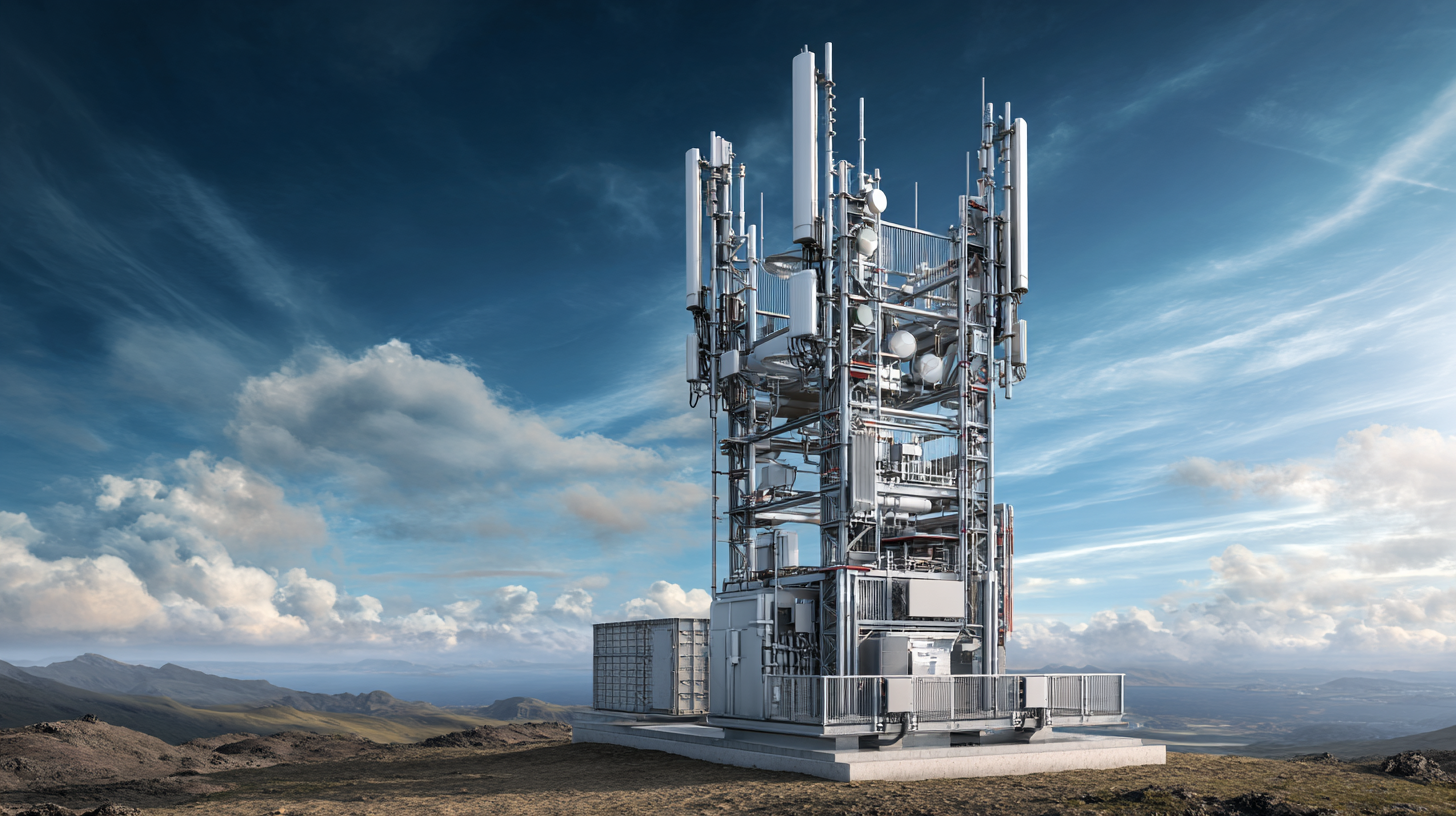
The Role of Base Station Filters in Modern Wireless Networks: An Overview
Base station filters play a crucial role in modern wireless networks by ensuring signal clarity and reducing interference. These filters are essential components in base stations, where they selectively allow certain frequencies to pass while blocking unwanted signals from other channels. This capability is vital in urban environments, where multiple networks operate close to one another, creating a challenging landscape for signal integrity. With the rise of technologies such as 5G, the demand for advanced filtering techniques has intensified, enabling base stations to manage a broader spectrum of frequencies efficiently.
The integration of advanced filter technology into base stations significantly impacts the overall performance and reliability of wireless communication systems. By employing high-performance filters, network providers can enhance capacity and improve the quality of service for users, minimizing dropped calls and ensuring smooth data transmission. Moreover, the use of digital signal processing in conjunction with these filters allows for adaptive filtering solutions that can respond dynamically to changing network conditions. This innovation not only optimizes existing spectrum usage but also lays the groundwork for future developments in wireless technology.
Key Types of Base Station Filters and Their Applications in Telecommunications
 Base station filters play a pivotal role in modern telecommunications by enhancing the efficiency and effectiveness of wireless communication. These filters help manage interference between different frequency bands, ensuring that signals remain clear and reliable. According to a report by Research and Markets, the global market for RF filters is expected to grow at a compound annual growth rate (CAGR) of 7.2% from 2021 to 2026, driven largely by the increasing demand for 5G technology and the growing number of connected devices.
Several key types of base station filters are commonly used in the telecommunications industry. Bandpass filters, for instance, are essential for allowing specific frequency ranges to pass while blocking others, which is crucial for maintaining signal integrity in crowded spectral environments. Notably, cavity filters are renowned for their high selectivity and low insertion loss, making them ideal for use in base stations where performance is paramount. Additionally, diplexers allow for simultaneous transmission and reception of signals, optimizing the use of bandwidth and facilitating better communication in mobile networks.
Incorporating these advanced filter technologies not only enhances the overall performance of base stations but also supports future advancements in telecommunications. As reported by Gartner, the deployment of advanced filter technologies is crucial for enabling robust 5G infrastructure, which is expected to account for nearly 50% of global mobile subscriptions by 2025. This transition underscores the importance of base station filters in achieving efficient and effective wireless communication in our increasingly connected world.
Technical Specifications: Understanding Insertion Loss and Filter Selectivity
The technical specifications of base station filters play a crucial role in enhancing the performance of wireless communication systems. Insertion loss, a key parameter, measures the amount of signal power lost due to the filter's presence. Ideally, lower insertion loss is desired, as it ensures that a maximum amount of the incoming signal passes through the filter to the output. Advanced filter designs utilize materials and technologies that minimize insertion loss, thereby improving overall system efficiency and reliability.
Filter selectivity is another vital specification that determines the filter's ability to distinguish between desired signals and unwanted noise or interference. High selectivity means the filter can effectively reject signals outside its designated frequency range, ensuring clean signal transmission. This capability is essential for maintaining signal integrity in crowded frequency spectrums, particularly in urban environments where multiple wireless signals overlap. Therefore, understanding and optimizing insertion loss and filter selectivity are paramount for engineers striving to enhance wireless communication technologies.
Impact of Filter Design on Signal Quality and Wireless Network Efficiency
In the realm of wireless communication, the role of base station filters cannot be overstated. These filters are crucial for maintaining signal quality and enhancing network efficiency. A well-designed filter minimizes interference from unwanted signals, ensuring that the desired frequencies are transmitted clearly. This direct impact on signal integrity means that base station filters play a vital role in the overall performance of wireless networks, affecting everything from data speed to call quality.
Tips: When considering filter design, pay attention to the bandwidth specifications to ensure they match the intended application. Use simulations to test various filter configurations under different conditions to identify the ideal setup for your specific needs. Regularly reviewing and updating filter designs can significantly improve network performance and adapt to the ever-evolving wireless landscape.
The efficiency of a wireless network is directly correlated with how well its filters are designed. Filters that effectively manage and filter out noise not only enhance signal clarity but also optimize the use of available spectrum. This results in a more robust network, capable of handling higher traffic volumes without degradation in service quality. Investing in advanced filter technology is essential for operators looking to improve their service offerings and meet growing consumer demands.
Future Trends in Base Station Filter Technology: Innovations and Challenges
The future trends in base station filter technology reveal significant innovations and challenges as telecommunication systems evolve. According to research, the global market for 5G base station microwave dielectric ceramic filters is projected to experience substantial growth from 2021 to 2028, driven by advancements in materials and design. Key players in the industry are focusing on the integration of low-loss materials, which are critical for enhancing signal quality and system efficiency. These technological improvements are essential for supporting the increasing demand for faster data rates and more reliable connections in 5G networks.
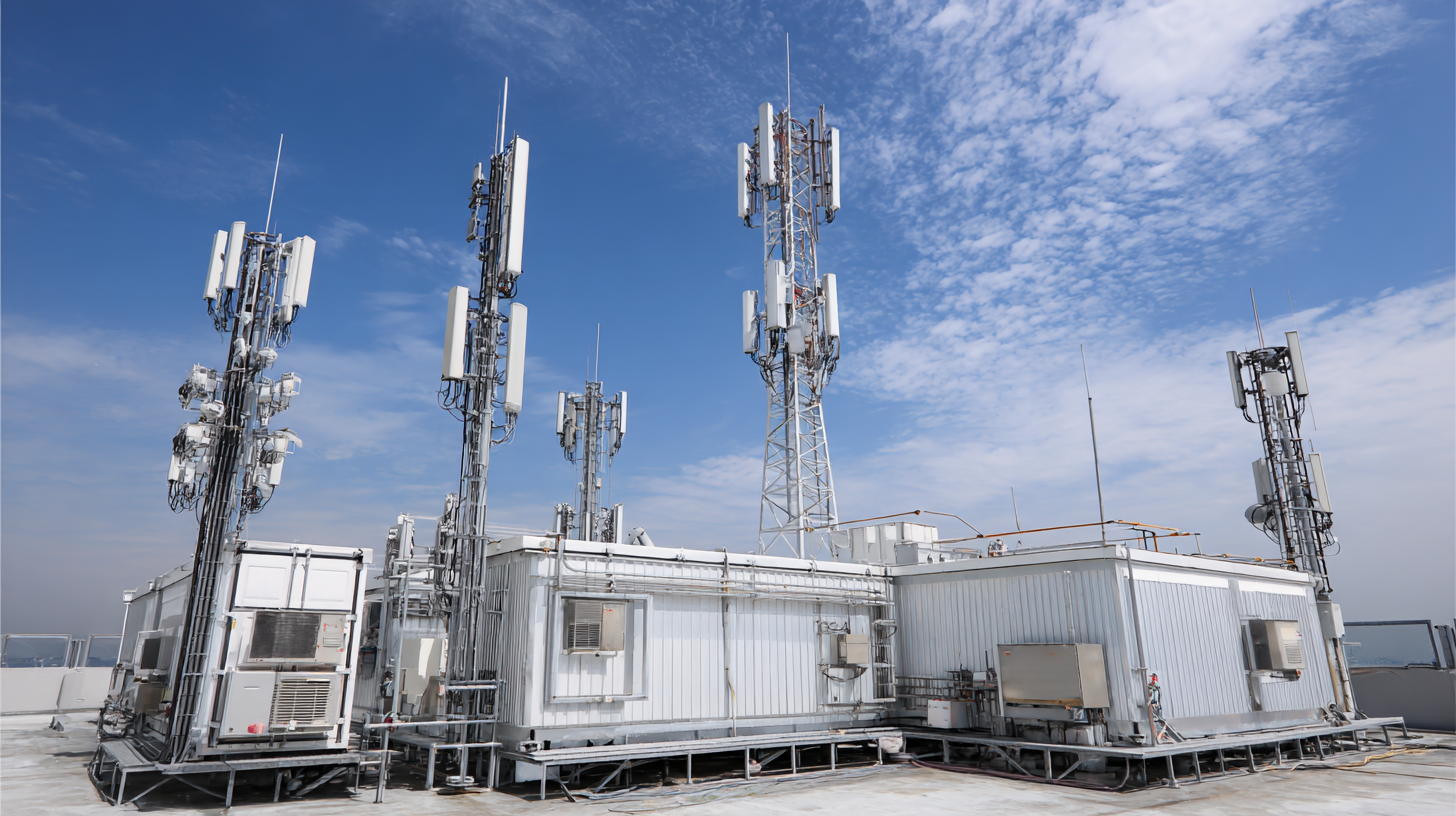
Moreover, AI-driven innovations are playing a pivotal role in the evolution of RF and antenna design. Reports indicate that artificial intelligence is increasingly utilized to optimize the design and performance of antennas, enabling more effective beam steering and multiband capabilities. This transformation is crucial as the industry aims to overcome the inherent challenges associated with the growing complexity of base station technologies. As we look ahead, the synergy of advanced materials and AI technology is set to redefine base station filter solutions, ultimately enhancing wireless communication comprehensively.