Top 5 Radar Filters for Enhanced Signal Clarity: Best Picks of 2023
In the realm of radar technology, achieving crystal-clear signal clarity is paramount for effective detection and communication. As we delve into the "Top 5 Radar Filters for Enhanced Signal Clarity: Best Picks of 2023," it's essential to understand the significant role that radar filters play in improving the performance of radar systems. Industry expert Dr. Emily Harper, a leading figure in radar technology, emphasizes that "the right radar filters can make all the difference in distinguishing between noise and valuable signals."
In 2023, advancements in radar filter technology have brought forth a variety of options tailored to meet the diverse needs of industries ranging from aviation to maritime navigation. These filters help minimize interference and enhance the overall functionality of radar systems, ensuring that operators can rely on accurate and timely data for decision-making.
As we explore the best picks of radar filters this year, we'll highlight features, benefits, and expert recommendations, providing a comprehensive overview for professionals seeking to enhance their radar capabilities. Join us on this journey to uncover the top radar filters that are setting new standards in signal clarity and operational efficiency.
Key Features to Look for in Radar Filters for Optimal Performance
When selecting radar filters for enhanced signal clarity, several key features should be prioritized to ensure optimal performance.
First and foremost, attenuation levels are crucial; high-quality filters should effectively attenuate unwanted signals while allowing the desired frequencies to pass through with minimal loss. Look for filters that specify their attenuation ranges, ideally supporting a wide frequency spectrum to accommodate various radar applications.
Another significant consideration is the filter's phase response. A filter that maintains a consistent phase shift across its operating frequency range will prevent distortion in the radar signal, leading to improved target detection and tracking accuracy.
Additionally, the filter's construction materials and design, such as low-loss components, can contribute to overall performance, enhancing durability and reliability in demanding environments.
It's also beneficial to choose filters with minimal insertion loss, as reduced losses mean stronger received signals, which are essential for precise radar operations.
Top Radar Filter Technologies Shaping 2023's Signal Clarity
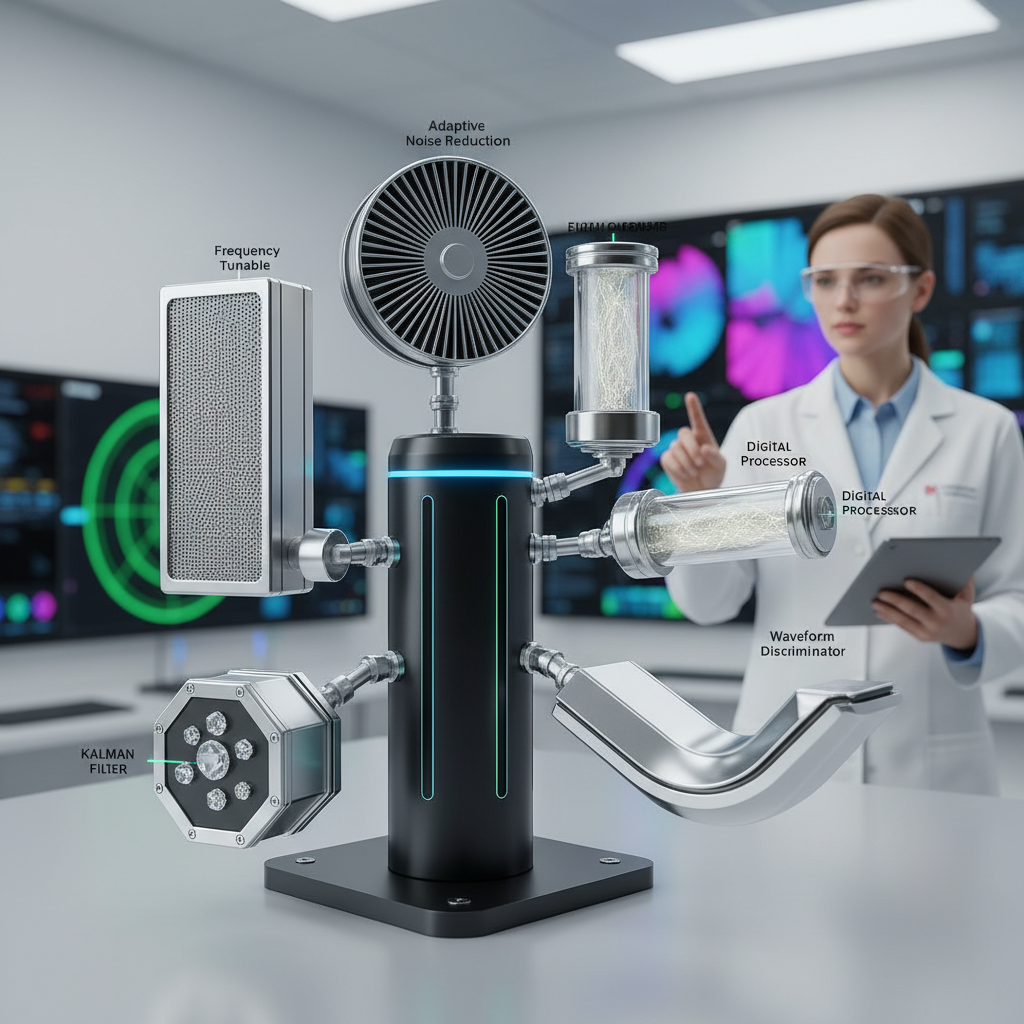
Radar technology has witnessed significant advancements in recent years, with several innovative filter technologies emerging to enhance signal clarity. One of the foremost technologies making waves in 2023 is the use of adaptive filtering, which dynamically adjusts to varying signal conditions. This adaptability allows for improved discrimination between noise and actual target signals, leading to sharper imaging and more reliable detection outcomes in diverse environments.
Another groundbreaking development is the implementation of digital signal processing (DSP) techniques. DSP enables the manipulation and analysis of radar signals in real-time, optimizing the filter performance based on the specific characteristics of the received data. This approach not only enhances signal clarity but also reduces processing time, making it essential for high-speed applications. Combined, these technologies represent the forefront of radar filter innovation, ensuring that users can achieve superior performance in both civilian and military applications in 2023.
Comparative Review of the Leading Radar Filters on the Market
In the ever-evolving world of radar technology, the choice of radar filters can significantly impact signal clarity and performance. This comparative review highlights the leading radar filters on the market for 2023, focusing on their unique features and benefits. Users ranging from aerospace engineers to automotive developers will find that the right filter can enhance target detection while minimizing interference.
The top contenders showcase advanced technologies such as adaptive filtering, which dynamically adjusts parameters to optimize signal quality under varying conditions. Additionally, some models incorporate machine learning algorithms that learn from past signal environments, allowing for more precise filtering in real-time operations. By closely examining these filters, users can make informed decisions based on specific applications, whether for marine navigation, air traffic control, or military operations.
Each filter's performance metrics, including frequency response, insertion loss, and size, are crucial factors that distinguish these leading products and influence overall system efficiency.
User Testimonials: Real-World Experiences with Top Radar Filters
User testimonials play a crucial role in understanding how top radar filters enhance signal clarity and improve overall user experiences. Many drivers have shared their firsthand accounts of using advanced radar filters, highlighting significant improvements in their driving experience. For instance, one user described how a particular filter helped them avoid multiple speed traps, making their daily commute much less stressful. This real-world impact emphasizes the necessity of investing in quality radar filters for anyone looking to navigate today’s complex driving environments effectively.
Another user noted that by using a specific radar filter, they were able to achieve a clearer signal reception, which not only alerted them to potential enforcement zones sooner but also significantly reduced false alerts. This improvement in performance is critical for maintaining focus while driving, allowing users to enjoy a safer journey. As more people share their experiences, it’s evident that the right radar filter can transform an ordinary drive into a more informed and less anxiety-inducing endeavor.
How to Choose the Right Radar Filter for Your Specific Needs
When selecting the right radar filter for enhanced signal clarity, understanding the market trends and technological advancements in the radar systems is essential. Recent reports indicate that the metamaterials market, closely linked to radar technology, is expected to reach approximately $649.4 million by 2024. This growth is largely driven by the increasing demand for improved radar systems in various sectors, including automotive, aerospace, and defense. From 2024 to 2031, the metamaterials market is projected to experience a compound annual growth rate (CAGR) of 23.19%, underlining the significance of radar filters in enhancing signal clarity.
Choosing the appropriate radar filter requires careful consideration of application-specific needs. Factors to evaluate include frequency range, environmental conditions, and the specific type of interference that must be mitigated. In a competitive market where signal clarity is paramount, investing in advanced radar filters not only optimizes performance but can lead to better operational efficiencies. As the demand for high-quality radar systems continues to surge, understanding these dynamics will empower users to make informed decisions tailored to their unique requirements.
Top 5 Radar Filters for Enhanced Signal Clarity in 2023