Understanding the Role of Low Frequency Filters in Noise Reduction: Insights from Recent Acoustic Studies
In recent years, the significance of Low Frequency Filters in the field of noise reduction has garnered considerable attention from researchers and acoustical engineers alike.
As industries increasingly prioritize mitigating unwanted sound, understanding the mechanisms and effectiveness of these filters has become pivotal.
Dr. Emily Carter, a renowned acoustics specialist at the Institute of Noise Control, emphasizes, "Low Frequency Filters are essential not just for improving sound quality but for enhancing overall environmental wellbeing."
This statement underscores the critical role these filters play in creating more sustainable and comfortable living and working conditions.

Current acoustic studies reveal that Low Frequency Filters can significantly reduce the impact of low-frequency noise, which is often more challenging to mitigate due to its pervasive nature.
By examining various applications—from industrial settings to residential areas—researchers are uncovering new insights into how these filters can be implemented effectively.
Not only do they help in diminishing noise pollution, but they also contribute to the health and productivity of individuals who are otherwise affected by constant, low-frequency disturbances.
The evolution of Low Frequency Filters represents a crucial advancement in acoustic technology and noise management strategies, paving the way for more serene environments.
The Fundamentals of Low Frequency Filters in Acoustic Engineering
Low frequency filters play a crucial role in acoustic engineering, particularly in mitigating unwanted noise in various environments. These filters are designed to attenuate sound waves that operate at lower frequencies, which are often associated with rumbling noises such as traffic, machinery, and natural phenomena. By selectively reducing these frequencies, engineers can enhance the overall acoustic quality of a space, making it more conducive for activities such as communication, relaxation, or even performance.
The fundamental operating principle of low frequency filters lies in their ability to resonate at specific frequencies while blocking others. This is typically achieved through various technologies, including passive components like inductors and capacitors, or active systems that utilize electronic processing. Understanding the precise behavior of these filters, including their cutoff frequency and slope, is essential for their effective implementation in real-world scenarios.
Recent acoustic studies have provided valuable insights into optimizing the design and application of low frequency filters, paving the way for advancements in noise reduction techniques across different sectors, from urban planning to audio engineering.
Methods for Implementing Effective Low Frequency Noise Reduction
Low frequency noise can significantly impact both our environment and well-being, making effective reduction methods crucial. Recent acoustic studies reveal that low frequency filters are vital tools in mitigating such noise, especially in urban and industrial settings. These filters work by allowing only desired frequencies to pass through while reducing unwanted low frequency sounds, which are often difficult to hear but can cause annoyance and stress.
To successfully implement low frequency noise reduction, there are several methods to consider. One effective strategy is the use of passive acoustic treatments such as bass traps, which absorb excess low frequency sound waves. Another approach involves active noise cancellation technologies that analyze incoming noise and generate counteracting sound waves. This dual strategy not only enhances acoustic comfort but also promotes a healthier living and working environment.
**Tips:** When selecting acoustic treatments, prioritize flexibility in installation to adapt to various spaces. Additionally, consider combining multiple methods for a comprehensive approach to noise reduction, ensuring a quieter atmosphere for better focus and relaxation. Regular maintenance of these systems also plays a crucial role in sustaining their effectiveness over time.
Comparative Analysis of Low Frequency Filters in Recent Studies
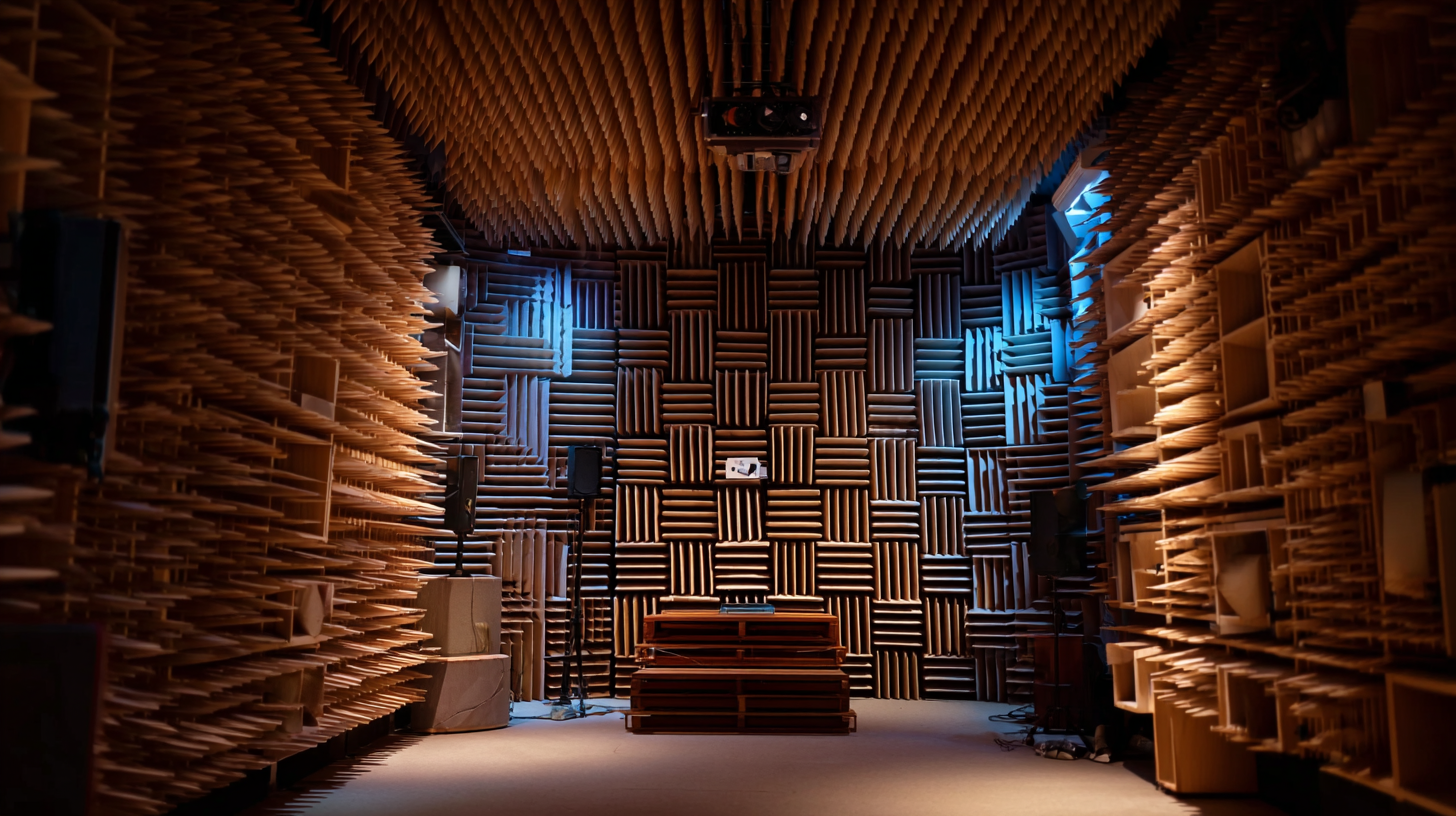
Recent acoustic studies have shed light on the efficacy of low-frequency filters in reducing noise pollution, a growing concern in urban environments. A comparative analysis of various studies indicates that low-frequency noise (LFN) can significantly impair quality of life, affecting sleep patterns and mental health. According to a study published in the Journal of Acoustical Society of America, approximately 30% of urban residents report disturbances due to low-frequency sounds like traffic or machinery. This highlights the need for effective filtering solutions in urban planning and building design.
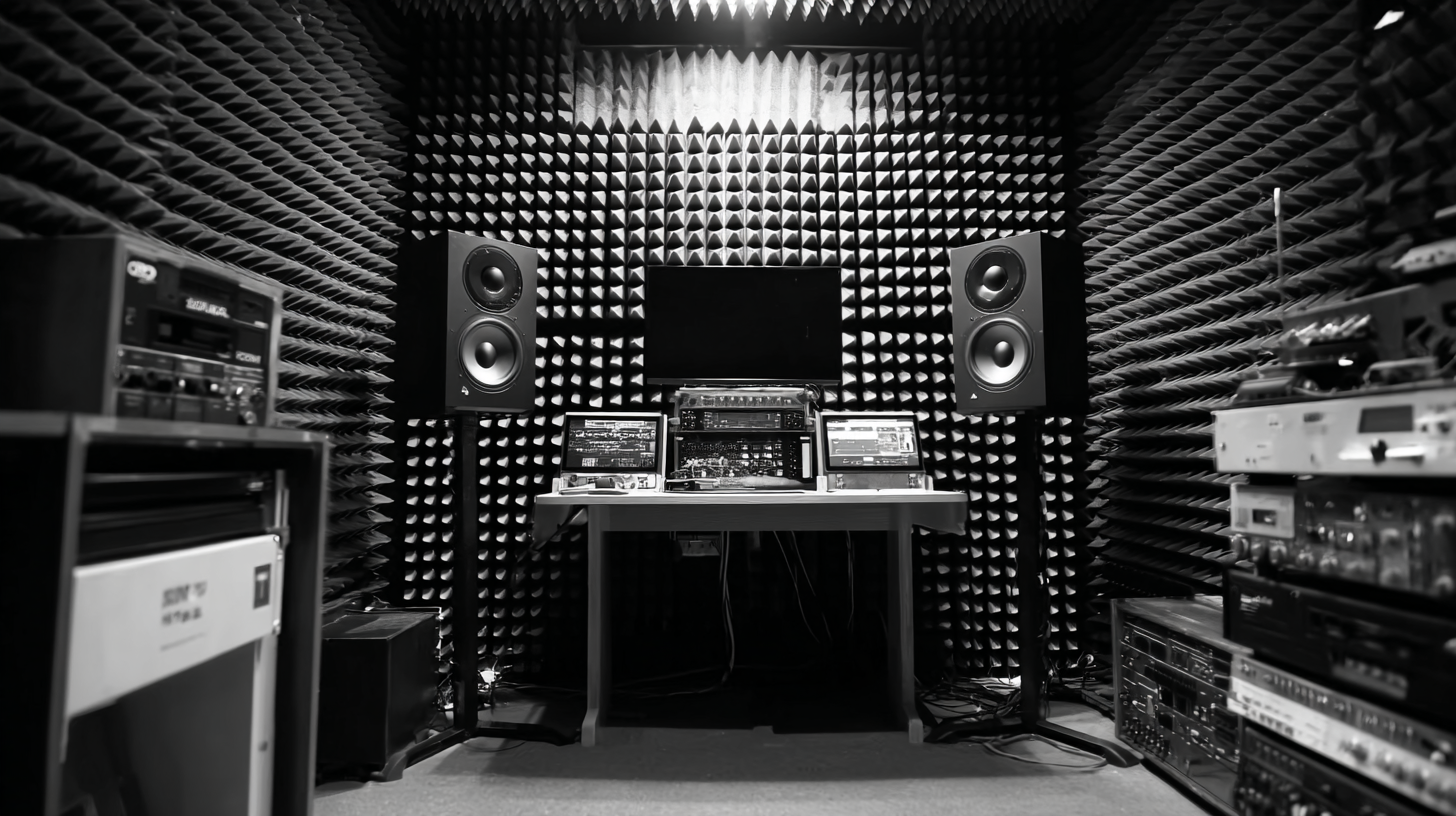
In examining different methodologies for implementing low-frequency filters, researchers have found that passive filters, which absorb sound energy, can reduce LFN by up to 20 dB in controlled environments. Conversely, active noise control systems that employ counteractive sound waves offer noise reductions of approximately 30 dB in specific frequency ranges. Recent evaluations from the International Noise Control Engineering conference have indicated that the combination of both technologies can lead to optimal noise attenuation. These insights provide critical guidance for engineers and policymakers aimed at creating healthier, more acoustically friendly urban environments.
Real-World Applications of Low Frequency Filters in Various Industries
Low frequency filters have emerged as vital tools across a multitude of industries, addressing the persistent challenge of noise pollution. In construction and manufacturing, these filters serve to mitigate the impact of low-frequency sounds emitted by machinery, creating a safer and more conducive work environment. For instance, heavy equipment operators often experience prolonged exposure to low-frequency noise, which can lead to health issues. By implementing specialized filters in these settings, companies not only enhance worker comfort but also comply with regulatory standards regarding noise levels.
In the realm of audio technology, low frequency filters are essential in optimizing sound quality for various applications, from concert venues to home theaters. These filters help to eliminate unwanted low-frequency rumble, allowing for clearer audio performance. In the automotive industry, low frequency filters contribute to quieter vehicle interiors by reducing engine noise and vibrations, thereby enhancing the overall driving experience. Additionally, in the field of telecommunications, these filters improve signal clarity by diminishing background rumble, ensuring that communications remain effective even in challenging acoustic environments.
Through these diverse applications, low frequency filters prove to be indispensable in advancing technological performance and promoting health and wellness across industries.
Evaluating the Performance of Different Low Frequency Filter Designs
Recent acoustic studies have highlighted the significance of low frequency filters in enhancing noise reduction across various environments. These filters operate by attenuating undesirable low frequency sound waves that contribute to background noise, thus improving overall sound clarity and quality. Researchers have explored various designs of low frequency filters, each demonstrating unique performance characteristics in different acoustic scenarios. The ability to adapt the filter design to specific applications, such as industrial noise control or residential soundproofing, is crucial for maximizing effectiveness.
The evaluation of different low frequency filter designs reveals insights into their performance metrics, such as attenuation rate, frequency response, and phase characteristics. For instance, passive filters have been shown to be effective in specific frequency ranges but may lack the adaptability seen in active filter designs that can adjust dynamically to varying sound environments. Studies have also compared material compositions, revealing that certain materials deliver superior acoustic damping properties. By understanding these design variations, practitioners can select the most suitable low frequency filter, ensuring optimal noise reduction tailored to the specific challenges of their acoustic environment.