Innovative Applications of Dielectric Filters in Modern Communication Systems
Dielectric filters have emerged as pivotal components in modern communication systems, offering remarkable advantages in terms of selectivity, bandwidth, and operational efficiency. These filters utilize the unique properties of dielectric materials to selectively allow or block specific frequency ranges, which is essential in high-speed data transmission and radio frequency applications. As the demand for faster and more reliable communication channels grows, the innovative applications of dielectric filters are expanding beyond traditional uses, addressing the challenges posed by increased interference and the need for miniaturization in technology. From mobile devices to satellite communications, the integration of dielectric filters enhances system performance and reliability. This article will explore the various innovative applications of dielectric filters in contemporary communication systems, highlighting their crucial role in advancing telecommunications technology and paving the way for future developments.
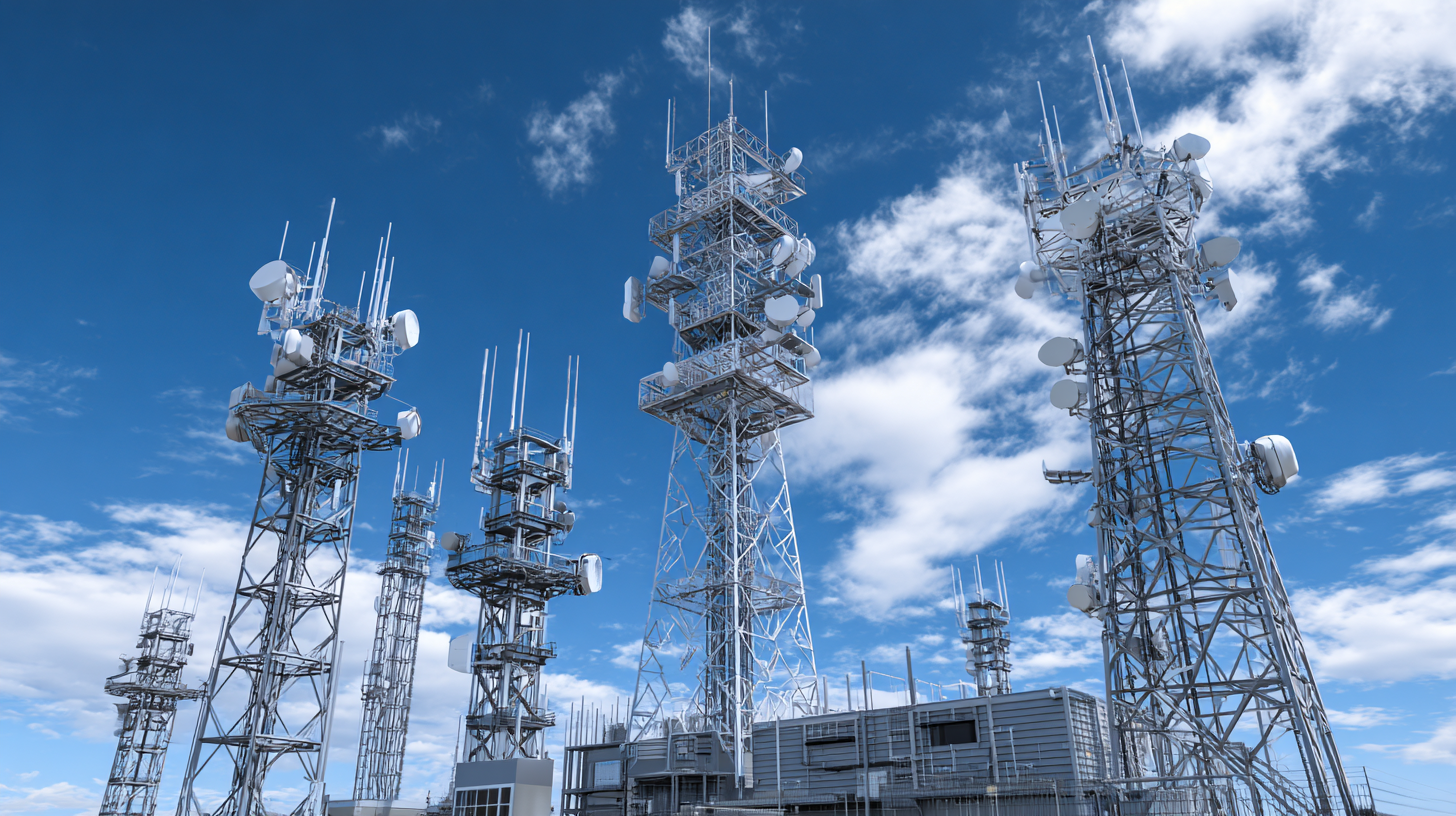
The Role of Dielectric Filters in Enhancing Signal Quality
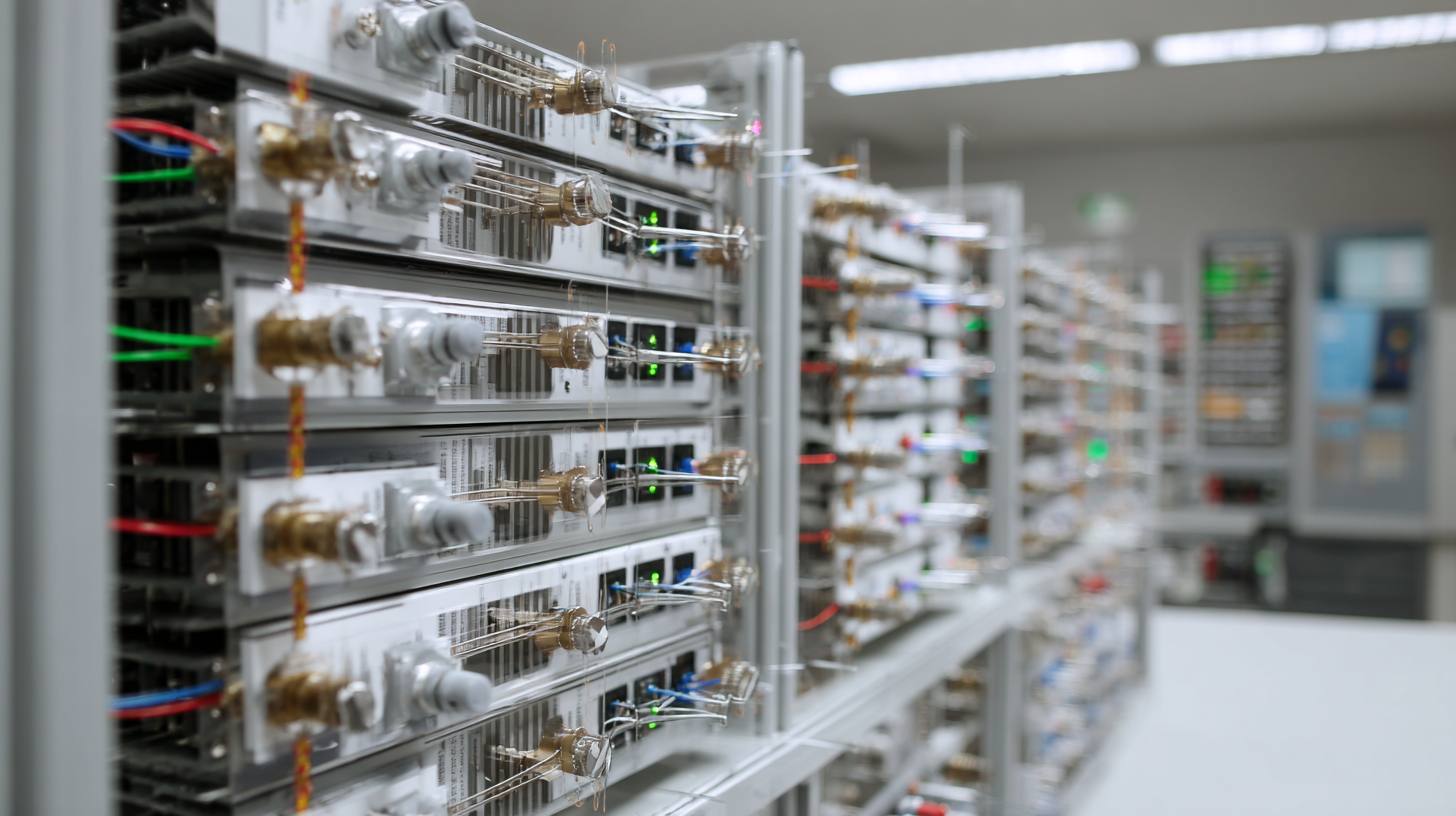 Dielectric filters have emerged as crucial components in modern communication systems, significantly enhancing signal quality. These filters are designed to selectively allow certain frequency ranges to pass while attenuating others, thereby reducing interference and noise. This capability is essential in environments crowded with various signals, ensuring that communication systems operate efficiently. The precision of dielectric materials allows for high-Q (quality factor) filters, which are essential for maintaining signal integrity in applications ranging from mobile communications to satellite systems.
In addition to improving signal quality, dielectric filters contribute to increased system performance by enabling denser frequency allocation. As the demand for bandwidth grows, particularly with advancements in technologies such as 5G and IoT, the significance of dielectric filters becomes more apparent. Their ability to provide excellent temperature stability and low insertion loss makes them ideal for high-performance applications where every decibel of signal strength counts. This innovation is reshaping communication infrastructure, pushing the boundaries of what is possible in terms of speed and reliability.
Advancements in Dielectric Filter Technology for Frequency Selectivity
Dielectric filters have seen significant advancements in recent years, marking a transformative era in communication systems. These advancements are primarily driven by the need for enhanced frequency selectivity, which is crucial for managing the increasing demand for bandwidth in wireless communications. Modern dielectric filter designs leverage advanced materials and innovative manufacturing techniques, allowing for higher Q-factors and improved insertion loss. This results in filters that not only meet stringent performance criteria but also exhibit compact form factors suitable for modern mobile devices and infrastructure.
Moreover, the integration of novel dielectric materials has unlocked the potential for tunable and reconfigurable filter designs. This flexibility enables communication systems to adapt dynamically to varying operational frequencies, which is particularly beneficial in environments with fluctuating spectrum availability. Emerging applications in 5G networks, for instance, illustrate the necessity for such adaptive technology, as operators look to optimize spectrum usage efficiently. As the demand for seamless connectivity escalates, the ongoing research and development in dielectric filter technology promise to play a pivotal role in enhancing the overall performance and efficiency of future communication systems.
Innovative Applications of Dielectric Filters in Modern Communication Systems - Advancements in Dielectric Filter Technology for Frequency Selectivity
| Application Area |
Filter Type |
Frequency Range (GHz) |
Insertion Loss (dB) |
Power Handling (W) |
| Mobile Communications |
Dual-Mode Filter |
1.8 - 2.2 |
1.5 |
5 |
| Satellite Communication |
Ka-Band Filter |
26.5 - 40 |
0.8 |
10 |
| Wi-Fi Networks |
Compact Bandpass Filter |
2.4 - 2.5 |
1.2 |
3 |
| Television Broadcasting |
VHF Filter |
54 - 216 |
2.0 |
15 |
| Automotive Communications |
Microstrip Filter |
5.9 - 5.925 |
1.0 |
3 |
Impact of Dielectric Filters on Miniaturization of Communication Devices
The miniaturization of communication devices has been a key driver of innovation in the telecommunications industry. Dielectric filters play a crucial role in this evolution, thanks to their ability to provide high performance in a compact form factor. According to a report by MarketsandMarkets, the global dielectric filters market is expected to reach $3.1 billion by 2025, growing at a CAGR of 7.4%. This rise reflects the increasing demand for smaller and more efficient devices in various applications, including smartphones, IoT devices, and satellite communications.
One of the most significant impacts of dielectric filters is their capacity to support high-frequency operations while maintaining excellent selectivity and insertion loss. Their lightweight and thin characteristics allow engineers to design slimmer communication devices without sacrificing performance. For instance, ceramic dielectric filters are increasingly being integrated into mobile communication devices, enabling them to operate on multiple frequency bands simultaneously. This technology not only enhances functionality but also reduces the overall size of the devices, aligning with consumer preferences for portability and convenience. As advancements in material science continue to evolve, the potential for further miniaturization using dielectric filters only appears to increase.
Applications of Dielectric Filters in 5G and Future Networks
Dielectric filters have emerged as critical components in the evolution of 5G and future communication networks, due to their ability to efficiently manage frequency allocation and improve signal integrity. In 5G systems, these filters play a vital role in enabling high-frequency operations, which is essential for meeting the demands of ultra-fast data transmission and low latency. By utilizing materials with high dielectric constants, these filters can sharply select desired frequencies while effectively suppressing unwanted signals, thus enhancing overall system performance.
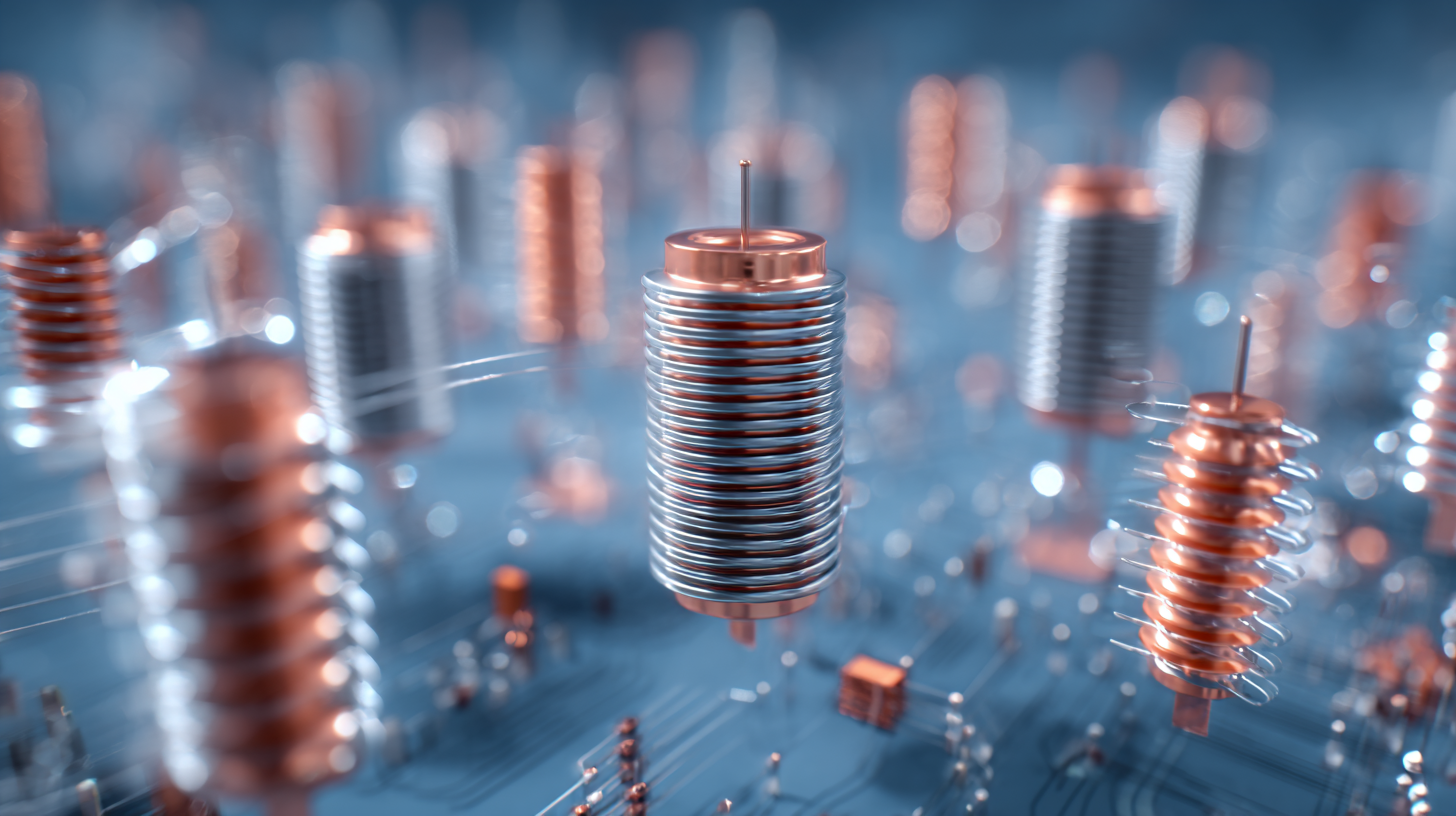
Furthermore, as communication networks progress towards the integration of advanced technologies such as the Internet of Things (IoT) and massive machine-type communications (mMTC), dielectric filters will be indispensable. They enable the coexistence of multiple signals across a vast range of frequencies, which is crucial for the dense network environments expected in future applications. The design and implementation of these filters will not only contribute to the efficiency of frequency utilization but also minimize interference, paving the way for more reliable and robust communication systems.
Comparative Analysis of Dielectric Filters and Traditional Filters in Communications
Dielectric filters have emerged as a crucial component in modern communication systems,
offering significant advantages over traditional filters. A comparative analysis reveals that dielectric filters, known for their high selectivity and low insertion loss, outperform traditional LC filters across various metrics. According to a report from MarketsandMarkets, the dielectric filter market is expected to reach USD 1.62 billion by 2026, displaying a compound annual growth rate (CAGR) of 12.2% between 2021 and 2026. This growth can be attributed to the increasing demand for high-frequency bandwidth and the expansion of advanced communication technologies such as 5G.
Traditional filters often struggle with the integration of multiple frequency bands, leading to larger, bulky designs and higher costs. In contrast, dielectric filters enable miniaturization and cost-effectiveness, making them more suitable for modern applications like mobile communications and Internet of Things (IoT) devices. Data from a recent IEEE study highlights that dielectric filters can achieve Q-factors greater than 1000, significantly enhancing performance in crowded frequency environments. This technical superiority underlines the shift towards dielectric solutions in the rapidly evolving landscape of communication technologies, emphasizing their role in optimizing system performance and efficiency.