Understanding the Importance of Radar Filters in Modern Technology
In the rapidly evolving landscape of modern technology, the significance of Radar Filters cannot be overstated. With an estimated global market for radar systems projected to reach $38.25 billion by 2025, according to a report by Research and Markets, the demand for advanced radar filtering technologies is becoming increasingly critical. Radar Filters play a pivotal role in enhancing the accuracy and reliability of radar signals, minimizing noise and interference that can compromise performance. Reports indicate that the implementation of state-of-the-art filtering techniques can improve target detection rates by up to 30%, which is essential in various applications, including aviation, automotive, and military operations.
As radar technology continues to integrate into smart systems and autonomous vehicles, understanding and optimizing Radar Filters will be crucial for safeguarding operational integrity and advancing technological innovations in the decades to come.
The Role of Radar Filters in Signal Processing
Radar filters play a crucial role in modern radar systems, particularly in signal processing, enhancing the accuracy and reliability of various applications. Advanced techniques such as matched filtering are essential for detecting signals in noisy environments, which is increasingly relevant in areas like health monitoring. Recent studies using frequency-modulated continuous wave (FMCW) radar have demonstrated the effectiveness of radar systems in non-contact heart rate monitoring, highlighting how signal processing enhancements can lead to improved health diagnostics.
For radar applications in marine navigation and safety, innovative solid-state radar systems are being developed to redefine performance standards. These technologies ensure precise signal detection despite challenging conditions, such as atmospheric attenuation, which can affect the signal-to-noise ratio. Implementing advanced filters, such as the extended Kalman filter and optimal true time delay filters, allows for more efficient and reliable radar signal processing and enhances overall system performance.
**Tips:** When selecting radar systems, consider features like robust filtering capabilities and adaptability to various environments. It’s beneficial to choose systems that incorporate modern processing techniques to ensure optimal performance in diverse applications. Additionally, always keep an eye on the latest advancements in radar technology for improved functionality and efficiency.
Types of Radar Filters and Their Applications
Radar filters play a crucial role in enhancing the performance of radar systems across various applications. There are several types of radar filters, each designed to meet specific needs. The most common types include low-pass, high-pass, band-pass, and notch filters. Low-pass filters are essential for eliminating high-frequency noise, thus improving the clarity of the radar signal. According to a recent report by MarketsandMarkets, the global radar filter market is expected to grow at a compound annual growth rate (CAGR) of 10.1%, reaching USD 4.5 billion by 2025, underscoring their growing significance.
In military applications, band-pass filters are instrumental in distinguishing between different frequency bands, which enhances target detection capabilities. A study from the IEEE indicates that the implementation of advanced filters has improved radar resolution by up to 30%, enabling better tracking of fast-moving objects. On the commercial side, agricultural drones utilize notch filters to remove interference from other electronic devices, ensuring accurate terrain mapping. As technology advances, the customization and integration of these filters into radar systems will continue to transform industries such as aerospace, defense, and transportation, making them indispensable components of modern radar technology.
How Radar Filters Enhance Detection Accuracy
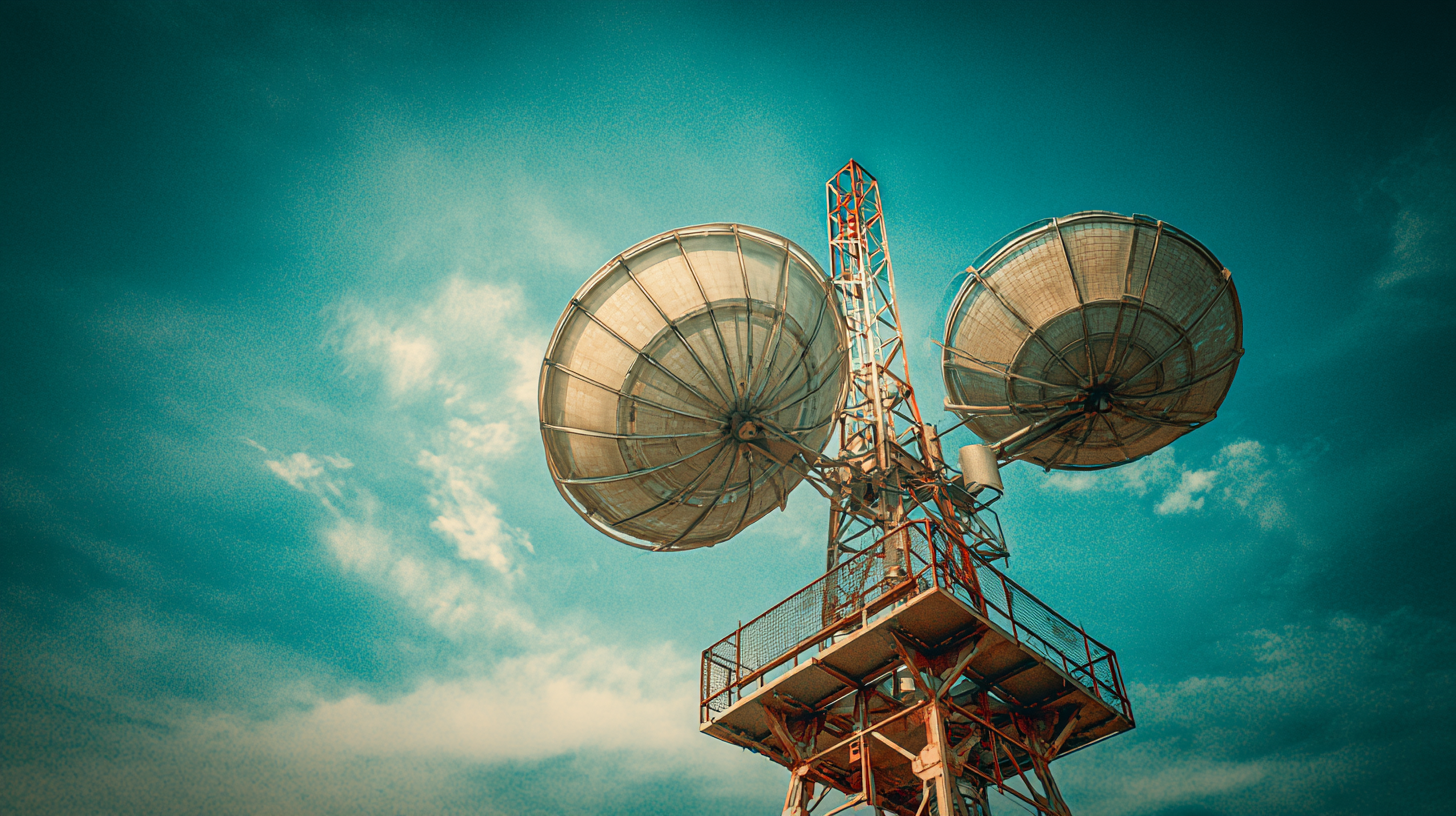 Radar filters play a crucial role in enhancing detection accuracy in modern technology, particularly in fields such as aviation, automotive safety, and defense. According to a recent industry report by MarketsandMarkets, the global radar market is projected to reach $34.3 billion by 2025, driven largely by advancements in radar filtering techniques. These filters are essential for minimizing noise and interference, enabling clearer signal detection even in complex environments. By isolating relevant signals from unwanted noise, radar systems can accurately identify objects and their trajectories, significantly improving situational awareness.
To maximize the effectiveness of radar filters, ensuring proper calibration and maintenance is key. Regular updates to software algorithms can enhance interference rejection capabilities and adapt to evolving environmental conditions. Industries relying on high-performance radar systems should consider investing in advanced filtering technologies that utilize machine learning to optimize signal processing and improve detection accuracy by up to 30%, as suggested by a report from the IEEE.
Tip: Always analyze the operational environment when selecting radar filters to ensure they are versatile enough to handle specific challenges, such as adverse weather conditions or crowded urban settings. This tailored approach can help in achieving the highest levels of detection performance in any scenario.
Impact of Advanced Radar Filters on Modern Technologies
Advanced radar filters play a crucial role in enhancing the functionality and accuracy of modern technologies across various industries. According to a report by ResearchAndMarkets, the global radar filter market is projected to grow from $1.2 billion in 2022 to $2.5 billion by 2027, reflecting a compound annual growth rate (CAGR) of over 15%. This growth is driven by the increasing demand for high-resolution imaging and enhanced surveillance systems, particularly in defense and aerospace applications. Advanced filters enhance radar performance by minimizing noise and improving signal clarity, which is critical in scenarios such as air traffic control and autonomous vehicles.
Moreover, the integration of advanced radar filters into consumer electronics is paving the way for next-generation devices. A study published by the International Journal of Electronics and Communications highlighted that radar filters reduce interference and improve object detection accuracy in automotive systems by up to 30%. This advancement not only supports safety features like collision avoidance but also enhances functionalities like adaptive cruise control. As industries continue to innovate, the impact of radar filters on modern technologies will likely expand, driving further advancements in automation and smart systems, ultimately shaping the future of technology.
Understanding the Importance of Radar Filters in Modern Technology - Impact of Advanced Radar Filters on Modern Technologies
| Technology Aspect |
Impact of Radar Filters |
Examples of Applications |
Future Developments |
| Signal Clarity |
Improves detection accuracy by reducing noise |
Aerospace, Marine Navigation |
Higher frequency filters for better resolution |
| Interference Mitigation |
Minimizes the impact of unwanted signals |
Telecommunications, Automotive Safety |
Integration with AI to predict and adapt to interference |
| Data Processing |
Enhances data extraction from radar signals |
Weather Forecasting, Earth Observation |
Real-time processing capabilities with advanced algorithms |
| Size Reduction |
Allows for smaller radar systems |
Consumer Electronics, Drone Technology |
Nano-filter technology for compact devices |
| Adaptive Systems |
Enables dynamic adjustment to environmental changes |
Smart Cities, Autonomous Vehicles |
Development of self-learning radar systems |
Challenges and Innovations in Radar Filter Design
Radar filter design plays a crucial role in enhancing the performance of modern radar systems, especially in environments crowded with various signals. One of the primary challenges faced by engineers is to develop filters that effectively suppress unwanted noise while preserving the integrity of the target signals. This balancing act becomes increasingly difficult as radar applications evolve, necessitating filters that can operate across a wider frequency range and maintain optimal performance under varying conditions. Moreover, the miniaturization of radar systems requires innovative approaches to design filters that fit within compact form factors without sacrificing their efficacy.
Innovations in radar filter design are driving advancements across multiple industries. For instance, the incorporation of advanced materials, such as metamaterials and graphene, has led to the development of filters that offer better performance and flexibility. Additionally, the use of machine learning algorithms in filter design is enabling the creation of adaptive filters that can adjust their parameters in real-time, enhancing signal processing capabilities. As radar technology continues to advance, these innovations are crucial for meeting the growing demands for improved accuracy and reliability, paving the way for a new era of radar applications in areas like automotive safety, aerospace, and telecommunications.