Top Dielectric Filters Applications and Benefits in Modern Technology?
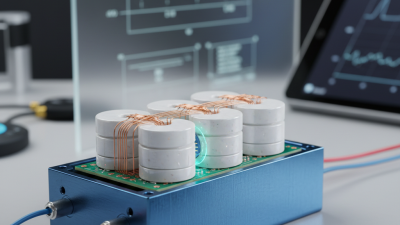
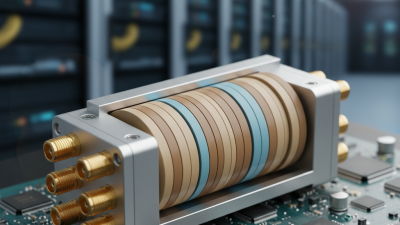
The advancement of technology has led to the increasing importance of Dielectric Filters in various applications. According to Dr. Emily Hart, an expert in this field, “Dielectric Filters are essential for enhancing signal integrity and reducing interference.” Their ability to selectively block or transmit certain frequencies makes them invaluable in telecommunications, medical devices, and consumer electronics.
In modern technology, Dielectric Filters play a critical role in improving device performance. They ensure clear communication in mobile networks and are pivotal in high-frequency applications. The growing demand for high-quality electronics further drives the need for these filters. However, challenges remain. The design and manufacturing process can be intricate, requiring specialized knowledge and equipment.
Despite their benefits, there is always room for improvement. Industries must continuously innovate to enhance the efficiency and effectiveness of Dielectric Filters. Addressing these challenges will be crucial for future advancements. As technology evolves, so too must our approach to integrating Dielectric Filters into new applications.
Applications of Dielectric Filters in Telecommunications Networks
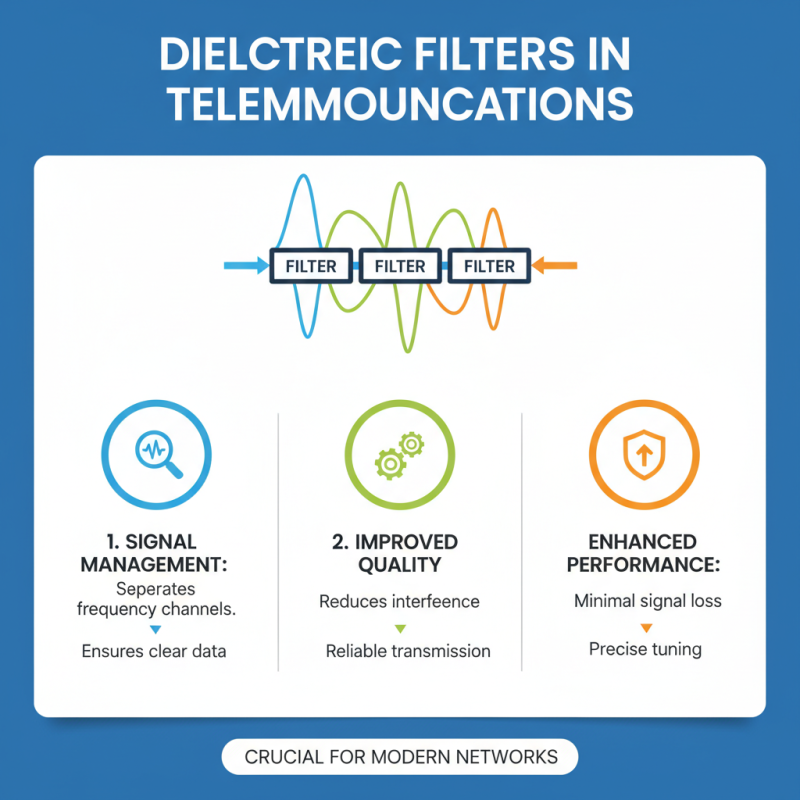
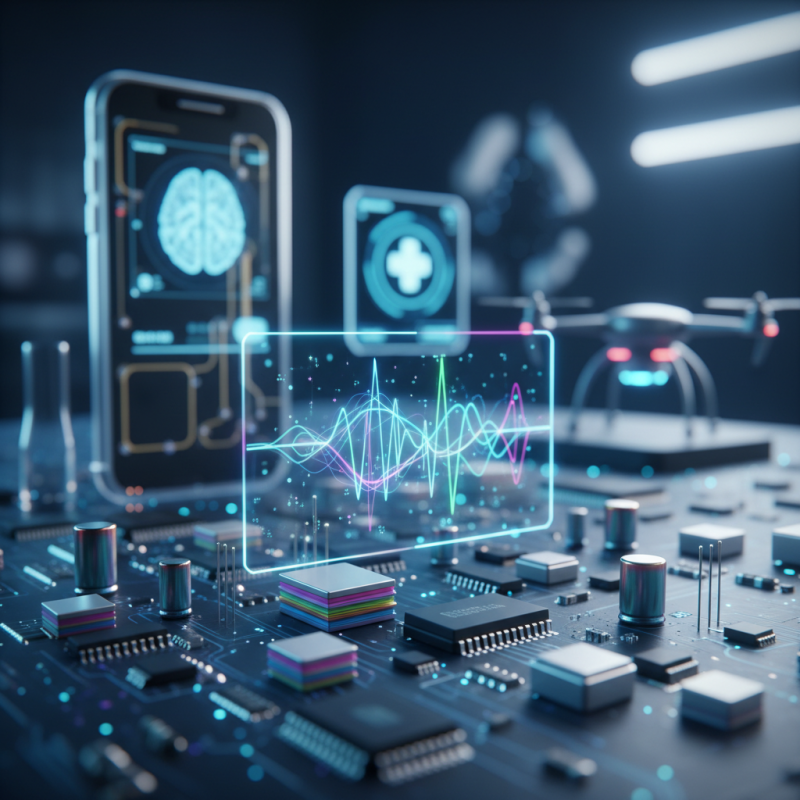
Dielectric filters play a crucial role in modern telecommunications networks. They are essential for managing signals and improving communication quality. These filters help to separate different frequency channels, ensuring that data transmission remains clear and dependable. Their precise tuning capabilities allow for minimal signal loss, which enhances overall network performance.
In practical applications, dielectric filters often find homes in base stations and mobile devices. They work by removing unwanted frequencies that could interfere with communication. This means users experience fewer dropped calls and clearer audio quality. However, not all setups use the best filters. Some networks may overlook the need for updated technology, potentially causing inefficiencies.
As telecommunications continue to evolve, the demand for effective dielectric filters increases. New frequencies emerge, and with them, new challenges. The ability to innovate and refine these filters is critical. Selecting the right configuration can greatly affect user satisfaction. Ultimately, a deeper understanding of dielectric filters will benefit network designers and users alike.
Benefits of Dielectric Filters in Optical Communication Systems
Dielectric filters play a crucial role in optical communication systems. They help manage light signals by allowing certain wavelengths to pass through while blocking others. This capability enhances the efficiency of data transmission over fiber optic networks. Improved signal quality means fewer errors and faster data rates.
When we consider their benefits, the reduction in noise becomes significant. Dielectric filters minimize unwanted light interference. This feature is particularly useful in densely packed optical networks. However, one must consider potential limitations in manufacturing techniques. Sometimes, achieving the desired level of precision can be challenging. Variations in materials may impact filter performance and reliability.
Moreover, the temperature sensitivity of these filters can affect their operation. In fluctuating thermal environments, performance might vary. Engineers must focus on these aspects to ensure optimal function. Despite some challenges, the advantages of dielectric filters in optical systems are evident. They remain a vital component in advancing communication technology.
Role of Dielectric Filters in RF and Microwave Technologies
Dielectric filters play a crucial role in RF and microwave technologies. They are designed to selectively transmit signals while rejecting unwanted frequencies. This capability is essential in telecommunications, radar systems, and satellite communications. Without these filters, signals can become muddled, affecting overall performance.
When integrating dielectric filters, consider their placement in the system. The right positioning maximizes their effectiveness. For example, a filter too close to the source can lead to signal loss. Pay attention to the frequency range involved. Each dielectric filter has specific characteristics. Matching these to your application enhances results.
**Tip:** Always test multiple configurations. Sometimes adjustments create better outcomes. Experimentation leads to optimized performance. Monitor for interference and any unexpected results. Filtering out noise can make a significant difference in clarity and bandwidth.
Impact of Dielectric Filters on Consumer Electronics Performance
Dielectric filters play a crucial role in enhancing consumer electronics. They improve signal quality by removing unwanted frequencies. This ensures clearer audio and video experiences. The use of dielectric materials leads to higher efficiency and better performance in compact devices.
In smartphones and tablets, dielectric filters minimize interference. Users experience faster data speeds and clearer calls. Visual clarity in displays is also improved, bringing more vibrant colors and sharper images. The compact nature of these filters contributes to thinner devices, aligning with modern design trends.
Tips: When choosing a device, consider its filter technology. Devices with advanced dielectric filters generally offer better performance. Higher efficiency means longer battery life, too. Look for specifications that mention filter types and their advantages. Remember, not all filters are created equal; some may not meet your expectations.
Top Dielectric Filters Applications and Benefits in Modern Technology
Dielectric filters play a crucial role in enhancing the performance of various modern technologies. This chart illustrates their impact across different applications, reflecting their significance in consumer electronics, telecommunications, and more.
Future Trends and Innovations in Dielectric Filter Technology
In modern technology, the future of dielectric filter technology is promising. Advanced materials are being explored to improve performance. For instance, ceramics and polymers may enhance filter efficiency. These materials can offer better thermal stability and lower loss. This could lead to lighter and more compact filters that fit into tighter spaces.
Tips: Consider the impact of material selection on filter design. The choice of materials can influence the overall system performance. Testing new combinations could yield surprising results.
Innovations in manufacturing techniques are also key. Techniques like 3D printing allow for custom shapes and features. This capability can lead to unique designs that traditional methods cannot achieve. However, quality control remains a concern. Ensuring consistency in production is essential.
Tips: Stay updated with the latest techniques. Explore how new manufacturing methods can address current challenges. Sometimes, a small tweak can make a significant difference.
Top Dielectric Filters Applications and Benefits in Modern Technology
| Application |
Benefits |
Future Trends |
| Telecommunications |
Improved signal quality and bandwidth efficiency |
Integration with 5G networks and beyond |
| Consumer Electronics |
Compact size and light weight |
Development of IoT devices with enhanced performance |
| Automotive |
Robustness in harsh environments |
Advancements in autonomous vehicle sensors |
| Medical Devices |
High precision and reliability |
Innovations in healthcare monitoring systems |
| Aerospace |
Lightweight components for better fuel efficiency |
Enhanced communication systems in aircraft |