How to Choose High Power Filters for Global Procurement?
Choosing the right High Power Filters for global procurement is essential for businesses across various sectors. According to a report by MarketsandMarkets, the global filter market is projected to reach USD 157.86 billion by 2025, with high power filters playing a significant role in this growth. These filters are critical for ensuring efficient power management and require careful selection based on performance and application needs.
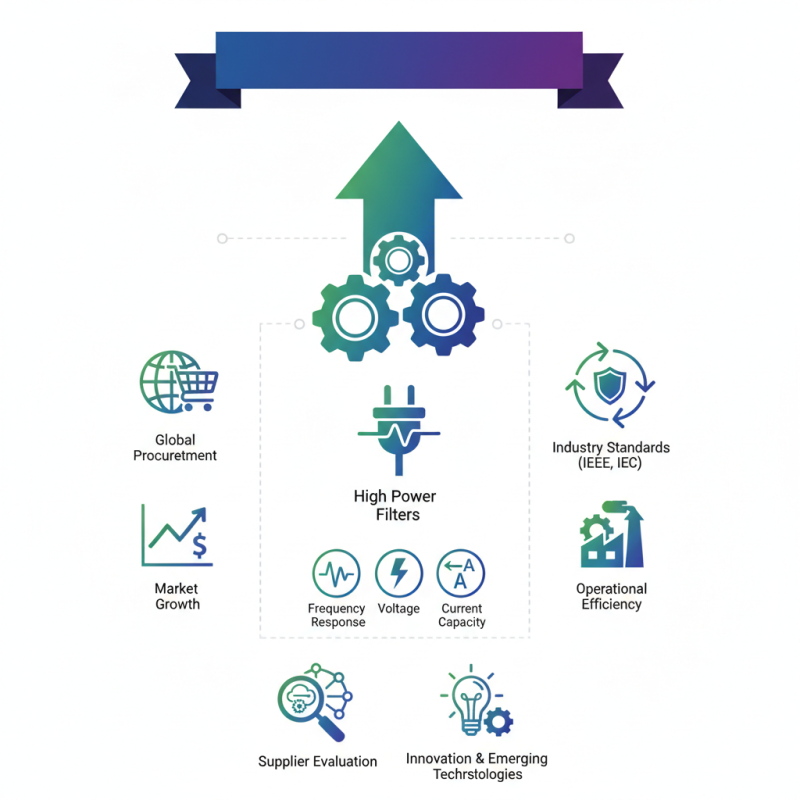
An effective High Power Filter must meet specific technical criteria. Factors such as frequency response, voltage rating, and current capacity are vital. Furthermore, industry standards, like IEEE and IEC, can influence filter specifications. A failure to select the appropriate filter may lead to increased operational costs or equipment damage.
As competition intensifies, manufacturers must prioritize effective procurement strategies for High Power Filters. Adapting to market trends and emerging technologies is necessary. Ignoring innovation could hinder progress and cost efficiency. Therefore, evaluating suppliers and understanding the ecosystem is crucial for making informed decisions.
Understanding High Power Filters: Key Characteristics to Consider
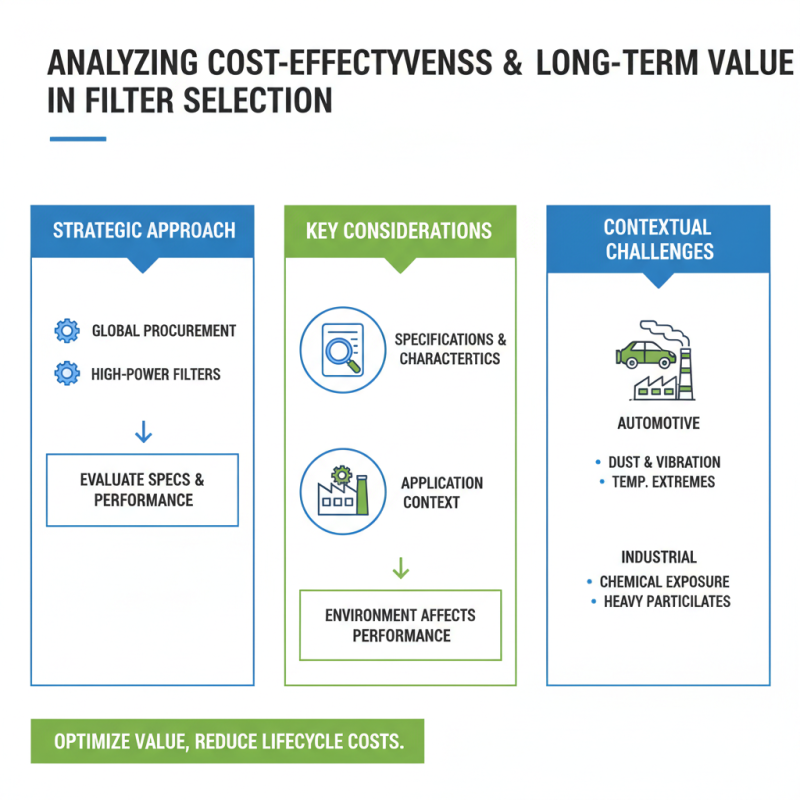
When selecting high power filters for global procurement, understanding their key characteristics is essential. These filters are crucial for managing electromagnetic interference in various applications. Look for parameters like power handling capacity, frequency range, and insertion loss. Each of these metrics plays a vital role in the filter's performance in real-world scenarios.
Tip: Prioritize filters with a higher power rating for demanding applications. This ensures they can handle peak loads without performance degradation. Keep in mind that the design and materials of the filters significantly impact their durability and efficiency. Subpar materials can lead to premature failures, affecting your operations.
Additionally, consider the filter's thermal management capabilities. High power filters generate heat, which can affect their lifespan. Effective thermal dissipation mechanisms are crucial. Filters lacking this can easily become unreliable under prolonged use.
Tip: Investigate the thermal specifications of your chosen filters. Success hinges on choosing products designed for your specific application environment. Remember, even the best filters have limits; understanding their boundaries is vital. Balancing performance with reliability can yield optimal results in procurement decisions.
Identifying the Right Specifications for Global Procurement Needs
Choosing high power filters for global procurement requires careful attention to specifications. Each procurement project is unique. Therefore, it is essential to consider specific operational needs. Start by assessing the voltage and current levels. This ensures a suitable power range for your application. Additionally, it is important to evaluate frequency response. High power filters must efficiently manage harmonic distortions in relevant frequency ranges.
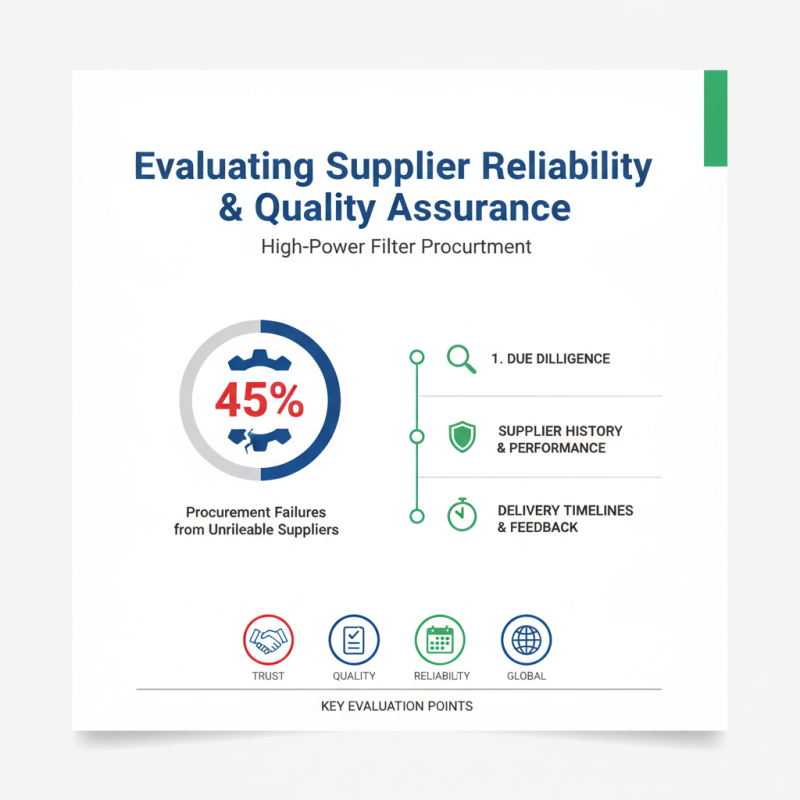
Another critical aspect is the environmental conditions where filters will be deployed. Consider factors such as temperature, humidity, and physical space. High power filters may need proper enclosures to protect against environmental stressors. Furthermore, it is wise to look at the reliability of the manufacturer, especially their testing protocols.
Many procurement teams overlook end-user requirements. It’s crucial to gather insights from the end-users early in the process. Their feedback can highlight potential challenges and desired features. It may also reveal specification gaps that need addressing. Regular communication with industry experts can provide valuable perspectives. This can lead to better-informed decisions and enhanced procurement outcomes.
High Power Filters Specifications for Global Procurement
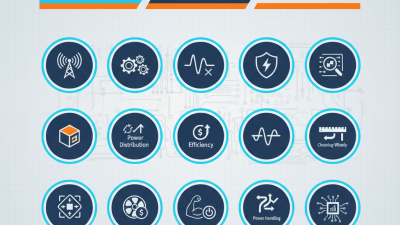
This chart illustrates the typical specifications for high power filters which are important for global procurement decisions. The outlined specifications such as power rating, voltage range, frequency range, efficiency, and size help in identifying the suitable filters for various applications.
Navigating Regulatory Standards and Compliance in Different Markets
When selecting high power filters for global procurement, understanding regulatory standards is crucial. Each market has specific requirements that can vary greatly. For instance, safety certifications, environmental considerations, and performance standards must be evaluated meticulously. Manufacturers should focus on documentation quality. Missing papers can lead to product delays and compliance issues.
Additionally, working with local experts can improve the understanding of compliance landscapes. They can provide insights into specific regulations. Local knowledge can bridge gaps in understanding foreign standards. It may enhance the entire procurement process. However, relying solely on local consultants may lead to misunderstandings. Staying engaged and informed about changes in regulations is essential.
Inspecting past compliance records can reveal potential pitfalls. Not all filters meet necessary standards. Some may pass initial inspections but fail later. Checking certifications regularly can help maintain reliability. Building a solid foundation in compliance reduces risks significantly. Engaging in ongoing training related to regulations keeps teams sharp and prepared. This proactive approach can prevent costly errors. Flexibility in adapting to regulatory changes will always be beneficial.