Best Military Filters for Global Purchasing Needs?
In today's global landscape, military filters have become essential for various operations. These filters ensure the efficient functioning of equipment and the safety of personnel. With diverse environmental conditions, selecting the right military filters is crucial.
The demand for high-quality military filters varies across nations and regions. Each army has unique requirements influenced by specific geographical challenges. Understanding these needs will enhance purchasing decisions. Moreover, these filters must meet stringent quality standards for reliability.
Military filters are not without challenges. Inconsistent supply chains can affect availability. Additionally, new technologies may sometimes lead to confusion regarding the most suitable choices. It's important to continually assess advancements in filter technology. Vigilance and adaptability are necessary for effective procurement in this evolving field.
Overview of Military Filters and Their Importance in Global Procurement
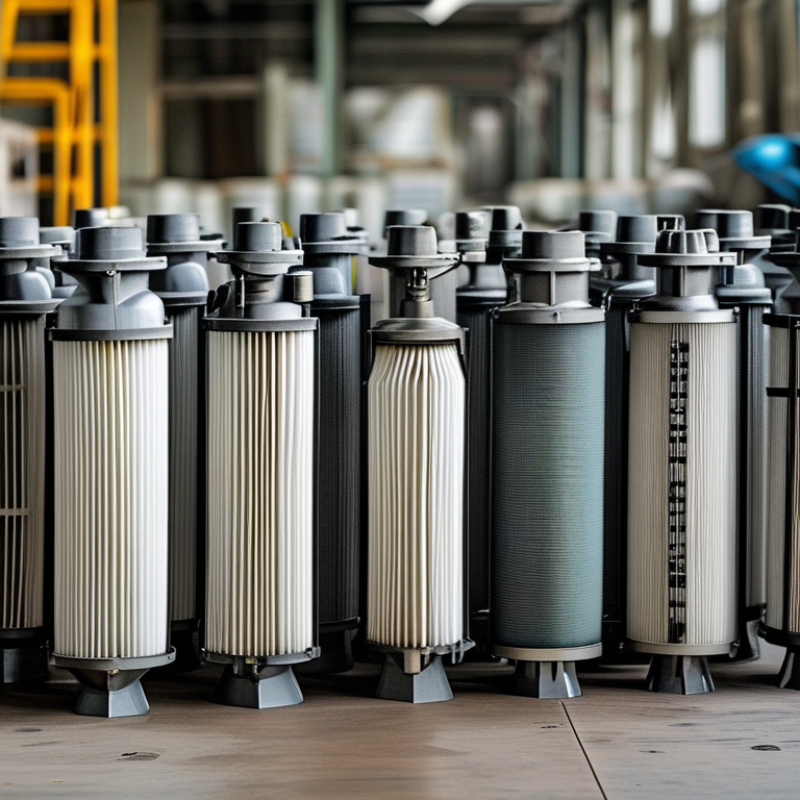
Military filters are crucial components in various defense systems. They significantly contribute to the optimal functioning of military equipment. A filter’s role is to ensure that systems operate effectively, filtering out contaminants and harmful particles. This enhances the durability and reliability of devices used in extreme conditions.
In global procurement processes, the choice of military filters reflects strategic decisions. These filters must meet rigorous standards. Their performance can impact mission success. However, selecting the right type often poses challenges. Specifications can vary based on application and environmental factors. This complexity means that procurers must have in-depth knowledge to make informed choices.
Additionally, there is an ever-present need for innovation in design and materials. Many options exist, yet not all are suitable for every situation. Prospective buyers often encounter limitations. Testing and validation processes are vital, and they can be time-consuming. Careful evaluation of reliability and long-term performance is essential. A filter that does not meet expectations can lead to serious operational failures.
Key Types of Military Filters Used in Defense Contracts
Military filters play a crucial role in defense contracts. They ensure that sensitive systems perform reliably under various conditions. Filters in military applications can range from electromagnetic shielding to air and fluid filtration. Each type is designed to protect equipment and personnel while maintaining optimal functionality.
For instance, electromagnetic filters are essential for tactical communications. They help reduce interference from electronic devices. Air filters, on the other hand, safeguard equipment from particulates and contaminants. Fluid filters are vital for ensuring that machinery operates smoothly without damage caused by impurities.
When sourcing military filters, consider the specific requirements of your projects. Always assess the environmental conditions in which the filters will operate. Consulting with experts can help you avoid common pitfalls in procurement. Ensure your suppliers meet stringent quality standards. Reliability is non-negotiable in defense applications, so thorough vetting is essential.
Key Factors to Consider When Selecting Military Filters for Purchase
When selecting military filters for global purchasing, several vital factors come into play. Understanding the specific operational environment is crucial. For instance, filters must withstand extreme temperatures and dust conditions. According to a report by the Military Filter Association, around 70% of military equipment failures could be attributed to inadequate filtration. Thus, reliable filtration systems are paramount.
Another key aspect is compliance with military standards. Filters should meet standards set by organizations such as MIL-STD-810. This ensures they can function correctly in diverse situations. It's also important to consider the filter's lifespan and maintenance requirements. Filters with longer lifespans reduce operational costs and improve readiness.
Tip: Always request detailed specifications from suppliers. This will help to compare performance metrics effectively.
Additionally, consider the material of the filters. Composite materials can offer enhanced durability compared to traditional options. This durability can be an essential component in mission-critical scenarios. Remember, a filter that is strong but not adaptable can lead to problems in dynamic environments.
Tip: Evaluate potential filters under simulated conditions. This testing will help reveal their performance limits. Always analyze each aspect before making a purchasing decision.
Leading Manufacturers and Suppliers of Military Filters Worldwide
Military filters are essential for various applications, ensuring the efficiency of equipment in demanding environments. Manufacturers worldwide have developed advanced filtration technologies tailored to military needs. These filters help protect sensitive devices from dust, debris, and contaminants, enhancing their performance and longevity.
When selecting military filters, consider the specific requirements of your operations. Different environments may necessitate different filtration standards. Ask suppliers about the materials used in their filters. Quality materials can significantly impact the filter's performance and durability.
Tip: Always verify the manufacturer's certifications. This can provide insight into their reliability and expertise. It's important to research industry trends too. Technological advancements can alter filter capabilities. Regularly reviewing supplier credentials ensures access to the latest and most effective products in the market.
Global Trends in Military Filter Technology and Innovation
In recent years, military filter technology has evolved significantly, driven by the need for enhanced performance and adaptability. According to a report from the International Defense Industry Council, the military filter market is projected to grow by 6.2% annually through 2027. This growth is fueled by advancements in filtration materials and designs, which improve efficacy against diverse contaminants.
Military operations require high standards. Filters must withstand rugged conditions while ensuring soldier safety. For instance, composite materials are increasingly used, offering lightweight solutions with high durability. Innovations such as nanotechnology are also emerging. These technologies provide superior filtration capabilities, allowing for smaller and more efficient designs.
Tip: When selecting filters, consider the operational environment. Filters designed for extreme conditions may be necessary for specific missions. Regular training on filter maintenance is vital for optimal performance. Too often, filters are overlooked or improperly maintained, which can compromise safety.
The global trend indicates a push toward sustainability. Manufacturers are researching biodegradable materials that meet stringent military standards. This focus on the environment reflects a broader shift in defense strategies. However, balancing performance and sustainability remains a challenge. Military needs must align with greener practices for the future.