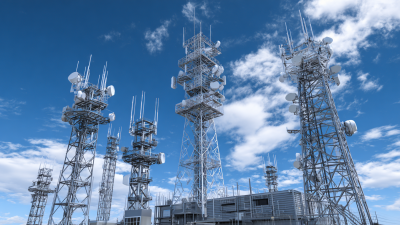
Understanding the Essential Role of Base Station Filters in Modern Telecommunications
In the fast-evolving landscape of modern telecommunications, the significance of
Base Station Filters cannot be overstated.
These critical components play a pivotal role in ensuring the efficiency and
reliability of wireless communication systems. According to a report by
MarketsandMarkets, the global market for RF filters, including base station
filters, is projected to reach USD 10.7 billion
by 2025, growing at a CAGR of 7.8%
from 2020. This growth underscores the increasing demand for high-performance
filters as 5G networks expand and data traffic surges.
 Base Station Filters optimize signal strength and minimize interference, directly
impacting call quality and data transmission rates. As wireless infrastructures
become more complex, understanding the essential role that Base Station Filters
play in mitigating adverse effects on signal performance is vital for network operators
and manufacturers alike.
Base Station Filters optimize signal strength and minimize interference, directly
impacting call quality and data transmission rates. As wireless infrastructures
become more complex, understanding the essential role that Base Station Filters
play in mitigating adverse effects on signal performance is vital for network operators
and manufacturers alike.
The Importance of Base Station Filters in Signal Clarity and Quality
In modern telecommunications, the clarity and quality of communication signals are paramount, and base station filters play a crucial role in achieving this. These filters are designed to suppress unwanted frequencies, allowing only the necessary signals to pass through. A report by the International Telecommunication Union (ITU) highlights that effective filtering can improve signal quality by up to 30%, which is essential for reducing interference and enhancing overall network performance. As the number of devices connected to cellular networks continues to explode—projected to reach 50 billion by 2030—ensuring that base stations deliver clean signals becomes increasingly vital.
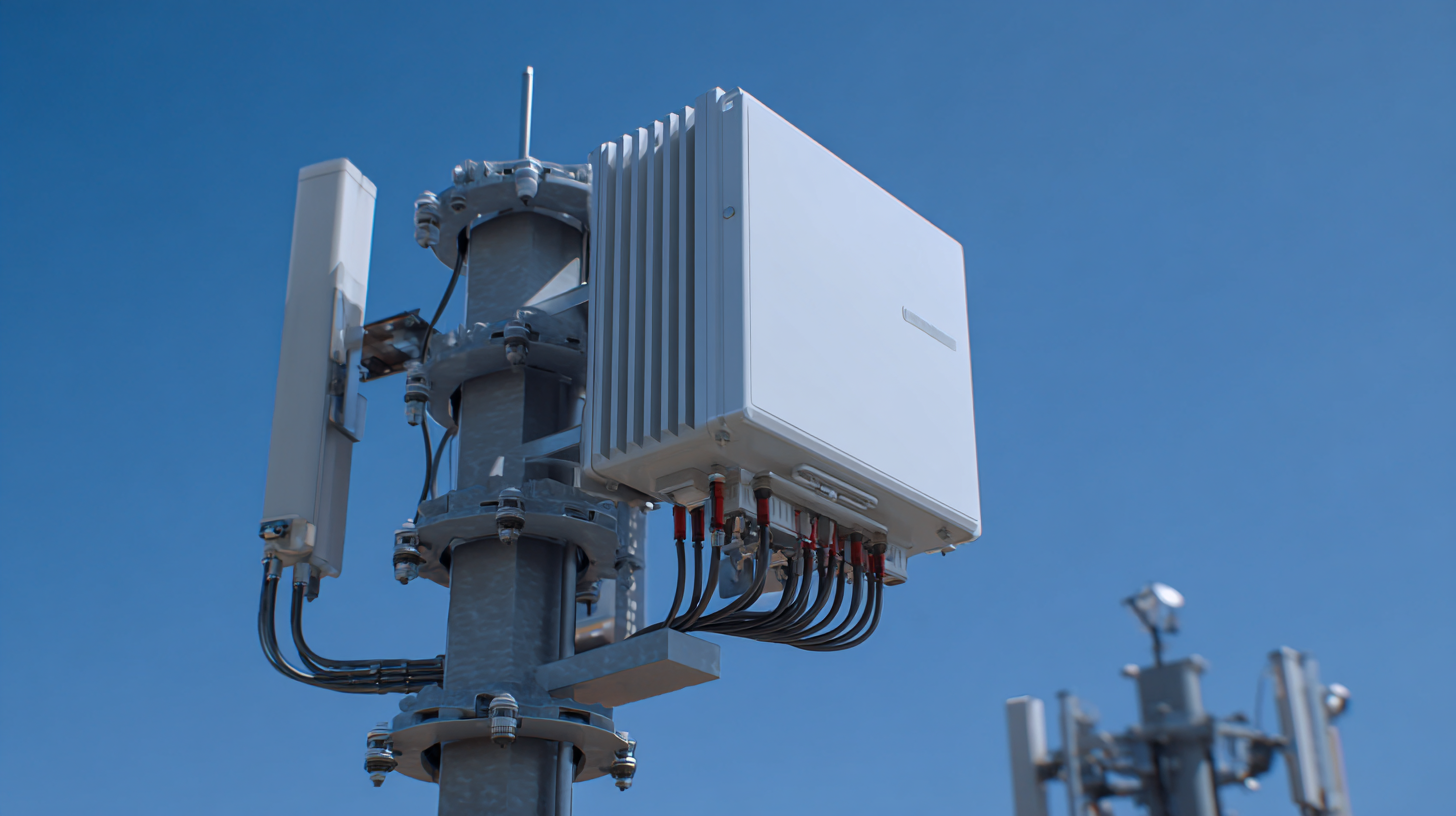
Moreover, with the advent of technologies such as 5G, the demand for high-performance base station filters has surged. According to a study by MarketsandMarkets, the global market for base station filters is expected to grow from $1.2 billion in 2020 to $2.4 billion by 2025, at a compound annual growth rate (CAGR) of 15.6%. This growth underscores the industry's recognition of the importance of advanced filtering technologies in maintaining signal integrity and quality in dense urban environments, where interference from multiple sources can significantly degrade performance. Effective base station filters not only support higher data rates but also ensure reliable connectivity, which is crucial for the ever-growing demands of modern telecommunications.
Key Technologies Behind Base Station Filter Design and Functionality
Base station filters play a crucial role in modern telecommunications by ensuring the clarity and quality of signal transmission. At the heart of filter design are several key technologies, including the use of high-performance materials and advanced manufacturing techniques. Commonly used materials, such as ceramic and dielectric substrates, help to achieve the required signal selectivity and minimize loss. These materials enable filters to operate efficiently across a range of frequencies, which is essential for supporting diverse communication standards.
Additionally, the design methodology for base station filters has evolved significantly with the advent of computational modeling and simulation tools. These technologies allow engineers to optimize filter characteristics, such as bandpass, low-pass, and high-pass responses, to meet specific network requirements. Furthermore, the integration of digital signal processing (DSP) techniques enhances filter performance by providing the ability to adapt to varying environmental conditions and user demands. As telecommunications standards continue to advance, the importance of innovative filter technologies will remain paramount in sustaining high-quality communication networks.
Impact of Base Station Filters on Network Efficiency and Performance
Base station filters play a critical role in enhancing network efficiency and performance within modern telecommunications. These filters are essential for separating and managing different frequency bands, thereby preventing interference between multiple signals. This interference management is crucial as it ensures that voice, video, and data transmission maintain their integrity, which directly impacts call quality and data transfer rates. By employing advanced filtering techniques, base station filters can significantly improve the overall signal clarity, which is vital for maintaining uninterrupted communication in densely populated areas where multiple devices connect to the network simultaneously.
Furthermore, the implementation of high-performance base station filters contributes to the optimization of bandwidth usage. Efficient filters can reduce the noise and unwanted signals that often consume valuable bandwidth, allowing for more effective use of available resources. This leads to a broader capacity for users, promoting better service delivery and enhancing customer satisfaction. Additionally, as networks evolve towards higher frequencies and advanced technologies like 5G, the role of base station filters becomes even more pronounced, ensuring that telecommunications infrastructure can support the increased demand for faster and more reliable connectivity.
Emerging Trends and Innovations in Base Station Filter Technology
Emerging startups are playing a pivotal role in transforming the telecommunications landscape, particularly through innovations in base station filter technology. As the demand for high-speed connectivity and reduced interference increases, these companies are introducing advanced filtering solutions that ensure optimal performance in crowded frequency environments. By leveraging cutting-edge materials and innovative design techniques, new entrants are developing filters that are not only more efficient but also compact, thereby enabling the deployment of smaller, more powerful base stations.
Additionally, the integration of software-defined technology is becoming a key trend among these startups. By incorporating intelligent algorithms, these filters can adapt to varying network conditions in real time, enhancing overall system efficiency and reliability. With the rise of 5G and beyond, the need for agile and scalable filtering solutions has become even more critical, and startups are stepping up to meet these challenges. Their agility in adopting new technologies positions them at the forefront of the telecom industry, driving advancements that could redefine connectivity standards in the years to come.
Challenges and Solutions in Implementing Advanced Filter Systems in Telecom
 Telecommunications is experiencing a significant transformation, particularly with the
essential role of base station filters. However, the implementation of advanced filter systems faces several challenges. These include designing filters that can cope with bandwidth demands while minimizing interference, particularly in densely populated areas where network congestion is common. Additionally,
integrating new filtering technologies with existing infrastructures can be resource-intensive, requiring specialized knowledge and investment.
Telecommunications is experiencing a significant transformation, particularly with the
essential role of base station filters. However, the implementation of advanced filter systems faces several challenges. These include designing filters that can cope with bandwidth demands while minimizing interference, particularly in densely populated areas where network congestion is common. Additionally,
integrating new filtering technologies with existing infrastructures can be resource-intensive, requiring specialized knowledge and investment.
Tips: To overcome these challenges, telecom operators should consider leveraging AI-driven solutions to optimize filter designs and predict potential interference issues before they arise. Investing in training for technical staff on the latest filter technologies can also ensure smoother transitions and better performance.
With the rapid evolution of telecommunications, staying ahead of the game is crucial. Operators can benefit from collaborating with experienced tech partners to develop bespoke filtering solutions tailored to their specific operational environments. This collaboration can lead to innovative approaches that not only alleviate existing challenges but also future-proof networks against emerging demands.