2025 Guide: How to Choose the Best Base Station Filters for Optimal Performance
In the rapidly evolving world of telecommunications, the significance of Base Station Filters cannot be understated. As we approach 2025, industry experts emphasize the critical role these filters play in enhancing signal clarity and network efficiency. Dr. Amelia Zhang, a renowned expert in RF engineering, famously stated, "The right Base Station Filters can significantly reduce interference, paving the way for a more reliable communication experience." With the increasing demand for higher data speeds and quality in wireless communication, selecting the optimal filters is more important than ever.

This guide will delve into the top five Base Station Filters available in the market today, offering insights into their specific features, advantages, and application scenarios. Our goal is to equip telecommunications engineers and network designers with the knowledge they need to make informed decisions that enhance performance and ensure seamless connectivity. As we explore the intricacies of Base Station Filters, readers will gain a comprehensive understanding of what to consider when selecting the best options for their unique requirements. The future of wireless communication hinges on these critical components, and making the right choice is paramount for success.
Factors Influencing Filter Choice for Base Station Operators in 2025
When choosing the best base station filters in 2025, operators must consider several key factors that can significantly influence performance. One primary aspect is the increasing demand for enhanced connectivity driven by the growing prevalence of electric vehicles and their reliance on robust communication systems. As more consumers embrace electric mobility, base station operators will need filters that effectively manage interference and ensure seamless signal quality. This reflects a broader trend where consumer preferences directly impact operational requirements.
Moreover, technological advancements in filter design are essential in addressing the evolving landscape. Operators should look for filters that incorporate the latest advancements in materials and manufacturing processes to achieve superior performance under various environmental conditions. As the automotive sector continues to innovate, so too must the tools used to support its infrastructure. Selecting the right filter is not just about technical specifications; it also involves a strategic approach to align with the long-term goals of delivering reliable services to a rapidly changing consumer base.
Analyzing Frequency Range Efficiency to Enhance Signal Quality and Coverage
Selecting the right base station filters is crucial for enhancing signal quality and coverage in any communication network. When analyzing frequency range efficiency, it is essential to consider the specific requirements of your system. Filters designed to operate within optimal frequency ranges can significantly reduce unwanted signals and interference, thus improving overall performance. Understanding the characteristics of various frequency bands enables users to select filters that effectively enhance signal clarity and reliability.
Moreover, frequency range efficiency is not only about blocking out noise but also about ensuring that the desired signal maintains its integrity throughout the coverage area. Thoughtfully chosen filters can facilitate better communication links by preserving the strength of the desired signals while eliminating disruptive frequencies. This optimization is particularly important in densely populated urban environments where multiple signals overlap.
Therefore, a comprehensive analysis of frequency demands, environmental factors, and potential interference sources is essential for selecting the best base station filters that align with your performance goals.
Understanding Insertion Loss and Its Impact on Overall Network Performance
Insertion loss is a critical factor in evaluating base station filters, greatly influencing the performance and efficiency of telecommunication networks. This phenomenon refers to the reduction in signal power resulting from the insertion of a component within the signal path. According to a report by the International Telecommunication Union, optimal insertion loss can significantly improve overall link budget analysis, affecting a network's reliability and capacity. For instance, a 1 dB increase in insertion loss can lead to up to a 14% drop in coverage area, underscoring the importance of selecting filters with low insertion losses.
When choosing base station filters, it is essential to consider the specific frequency ranges and operational parameters of your network. Data from the Cellular Telecommunications Industry Association reveals that filters optimized for insertion loss can enhance network performance by up to 20%, ensuring better signal quality and reduced interference. By investing in high-performance filters with lower insertion losses, network operators can not only improve their current systems but also prepare for future demands as 5G technologies continue to evolve.
Evaluating Material Quality: The Role of Dielectrics and Construction in Filters
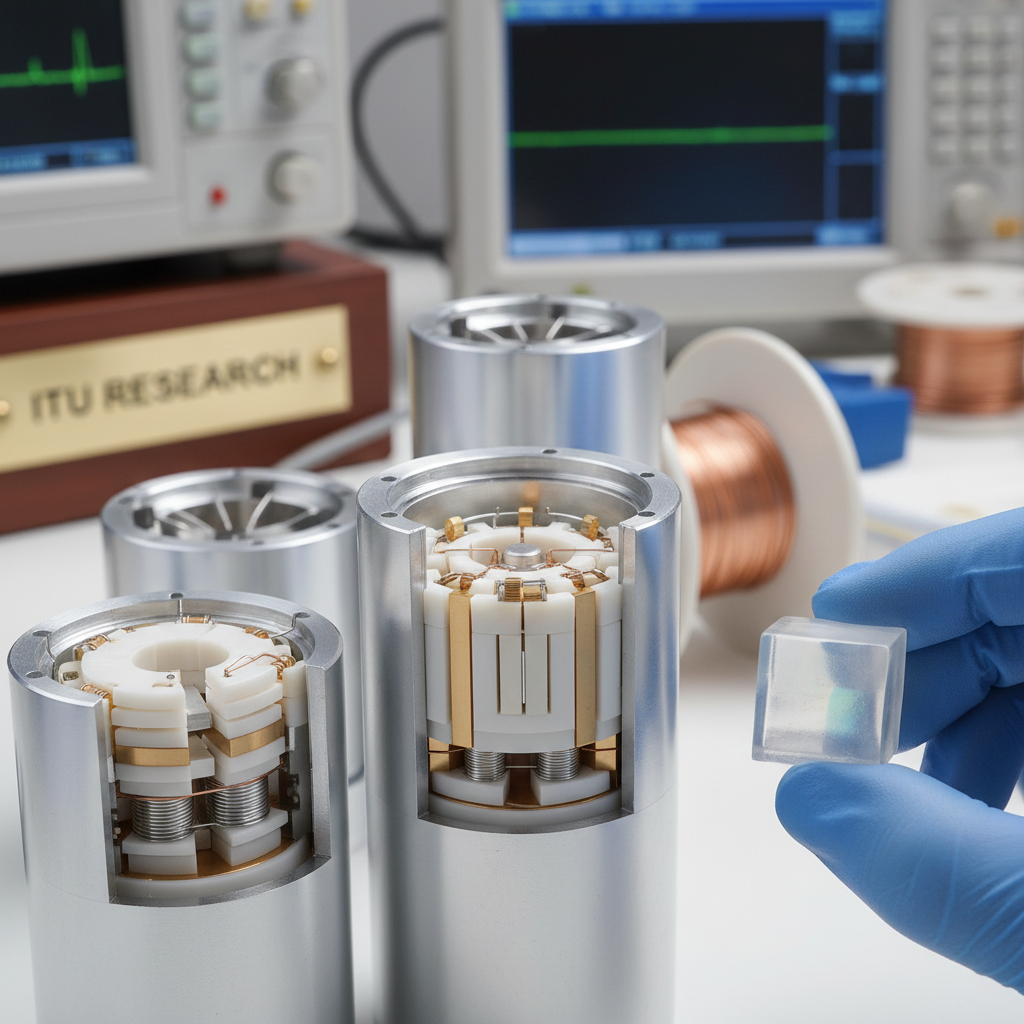
When selecting base station filters, the quality of the materials used,
especially dielectrics, plays a crucial role in ensuring optimal performance.
High-quality dielectrics can mitigate signal loss and improve frequency response, which is essential in maintaining clarity in communications.
According to a report by the International Telecommunication Union (ITU), filters made with superior
dielectric materials can enhance performance by up to 20%, significantly impacting network reliability.
Tips: Always opt for filters that utilize low-loss materials,
such as Teflon or ceramics, which provide better thermal stability and frequency consistency.
Additionally, understanding the construction quality of the filters is essential; well-engineered filters with robust enclosures
can withstand environmental stresses, reducing the likelihood of performance degradation over time.
The construction of filters also affects their efficiency and lifespan. Reports indicate that filters built with
advanced manufacturing techniques, like laser welding, demonstrate a higher durability and less susceptibility
to mechanical failures. Regular maintenance and periodic assessments can further ensure that the filters continue to perform
at peak efficiency. Always keep an eye on the technological advancements in material science to choose filters that align
with your operational needs.
Key Metrics for Assessing Filter Performance: Passband, Rejection, and Group Delay
When selecting base station filters, it's essential to assess key metrics that determine their performance. The
passband is a crucial factor; it defines the frequency range where the filter allows signals to pass with minimal loss. A well-designed
passband ensures that the intended communication signals are transmitted effectively while minimizing interference from unwanted frequencies. A narrow bandwidth may eliminate more noise but could also risk losing some valuable signals, so finding an optimal balance is critical.
Another important metric is rejection, which quantifies how effectively the filter attenuates frequencies outside of the passband. High rejection levels ensure that unwanted signals are significantly reduced, allowing the system to operate efficiently without the risk of interference. This is particularly vital in environments crowded with different communication channels.
Additionally, group delay, which measures the time it takes for different frequency components of a signal to pass through the filter, can impact signal integrity. Excessive group delay can cause distortion, compromising the quality of transmitted information. Therefore, a filter that maintains low group delay alongside effective passband and rejection performance is optimal for ensuring clear and reliable communication.